
Stone was the preserve of the well to do, of churches and of castles.
An exception was the northern isles where on Orkney stone was used for communal dwellings, because trees struggled to grow in the fierce winter gales. Buildings dating back 2,500 years remain standing, although uninhabited.
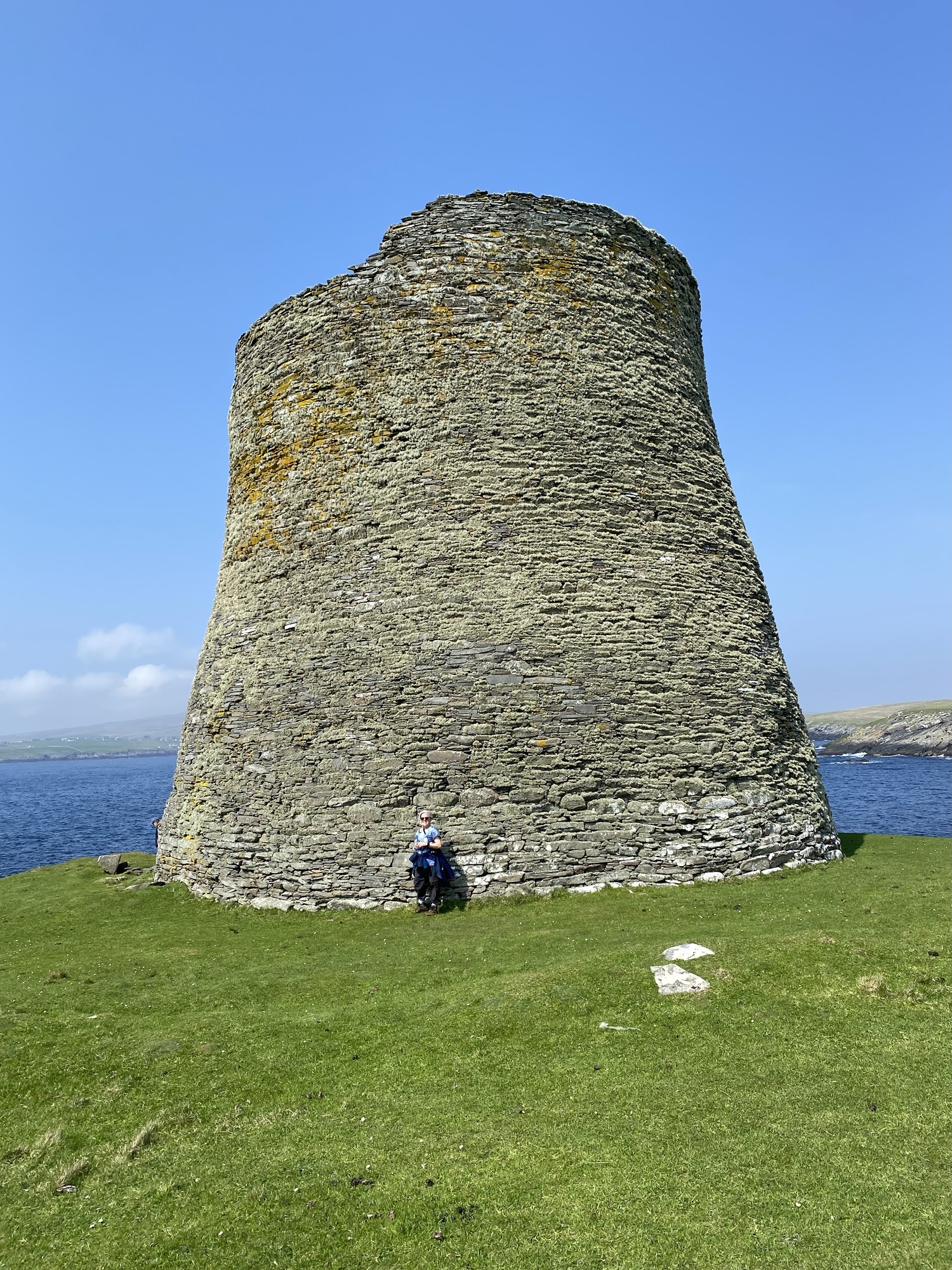
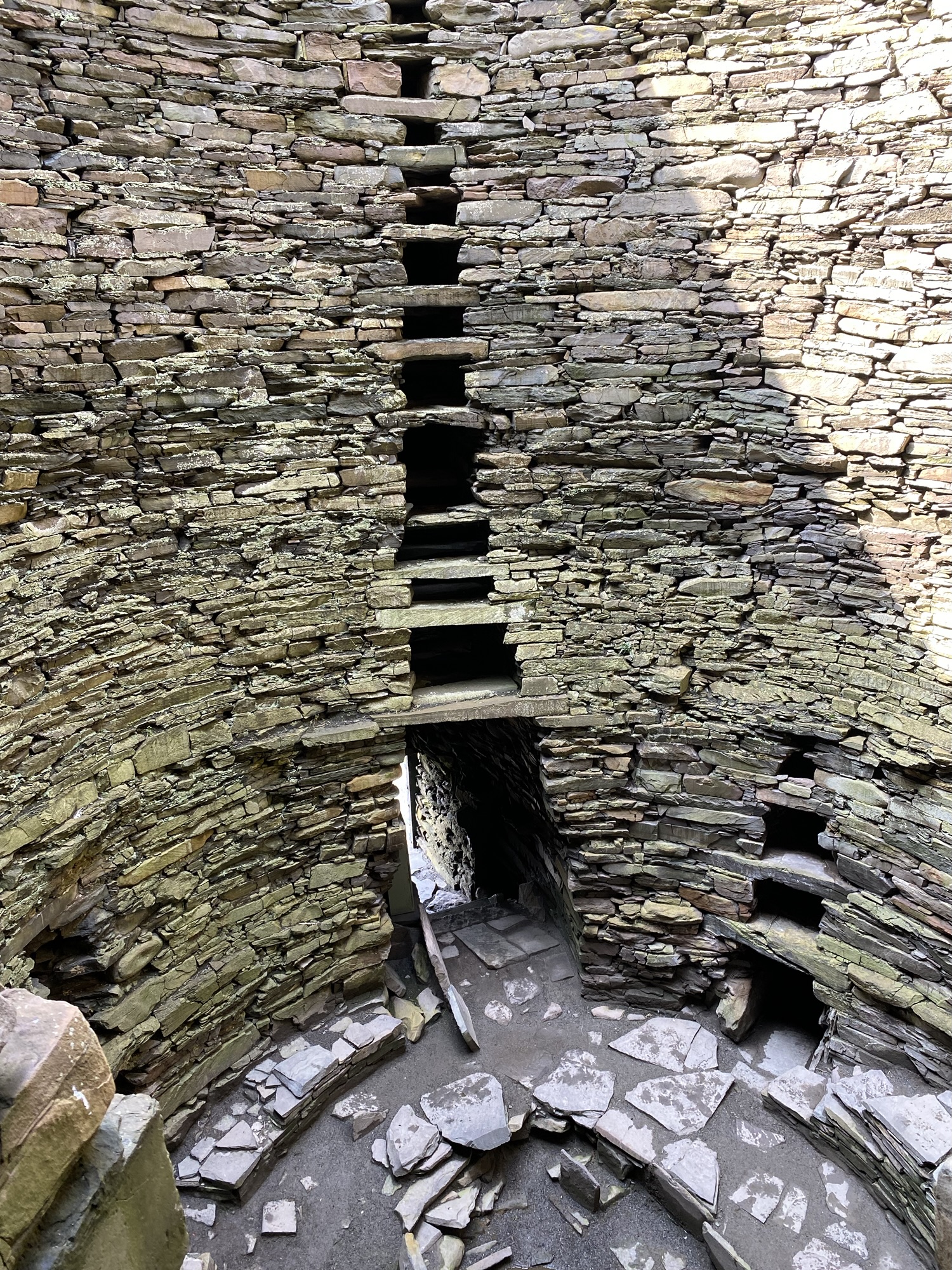
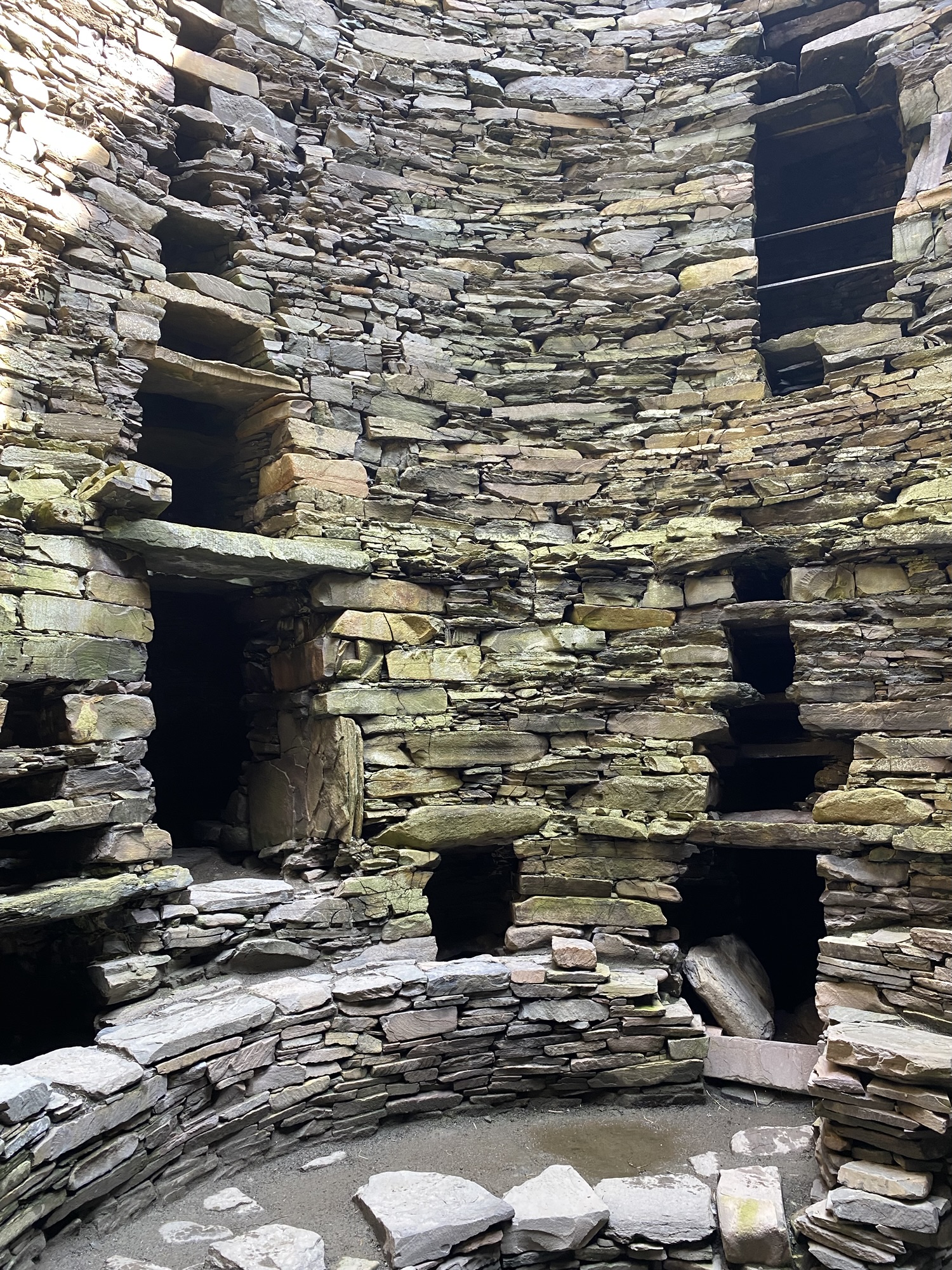
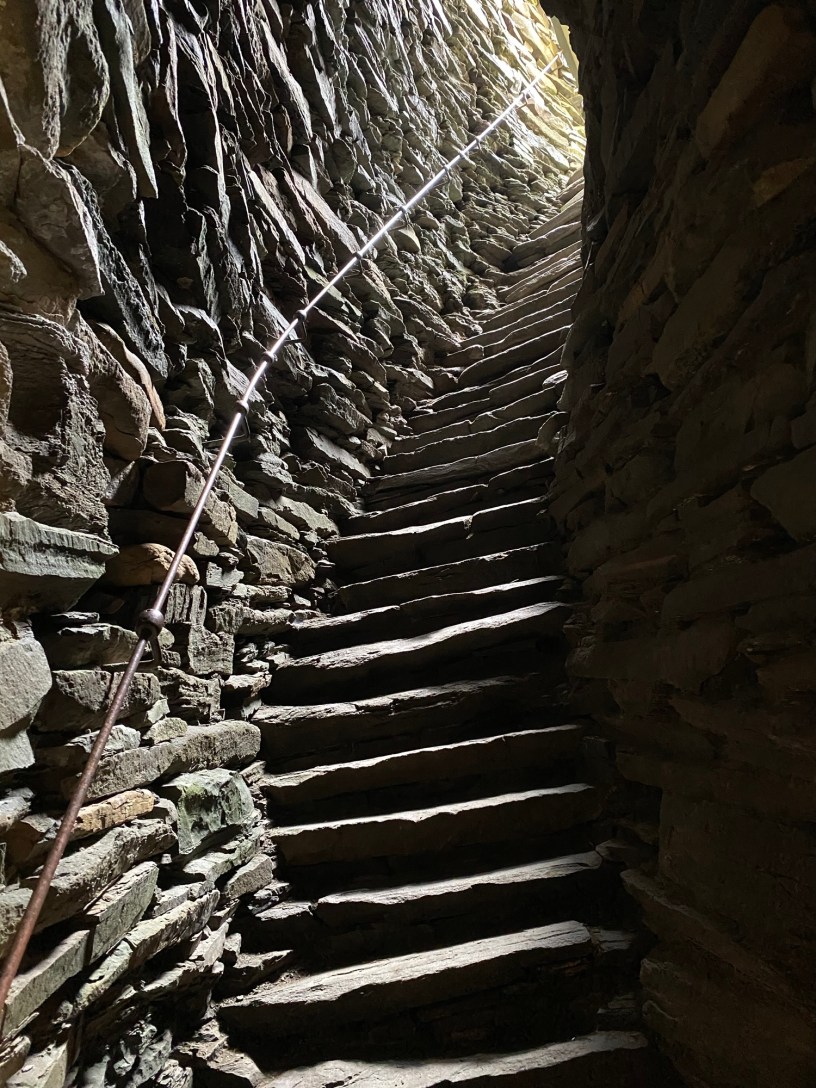
The Broch of Mousa on Shetland (the featured image is of the staircase in the broch
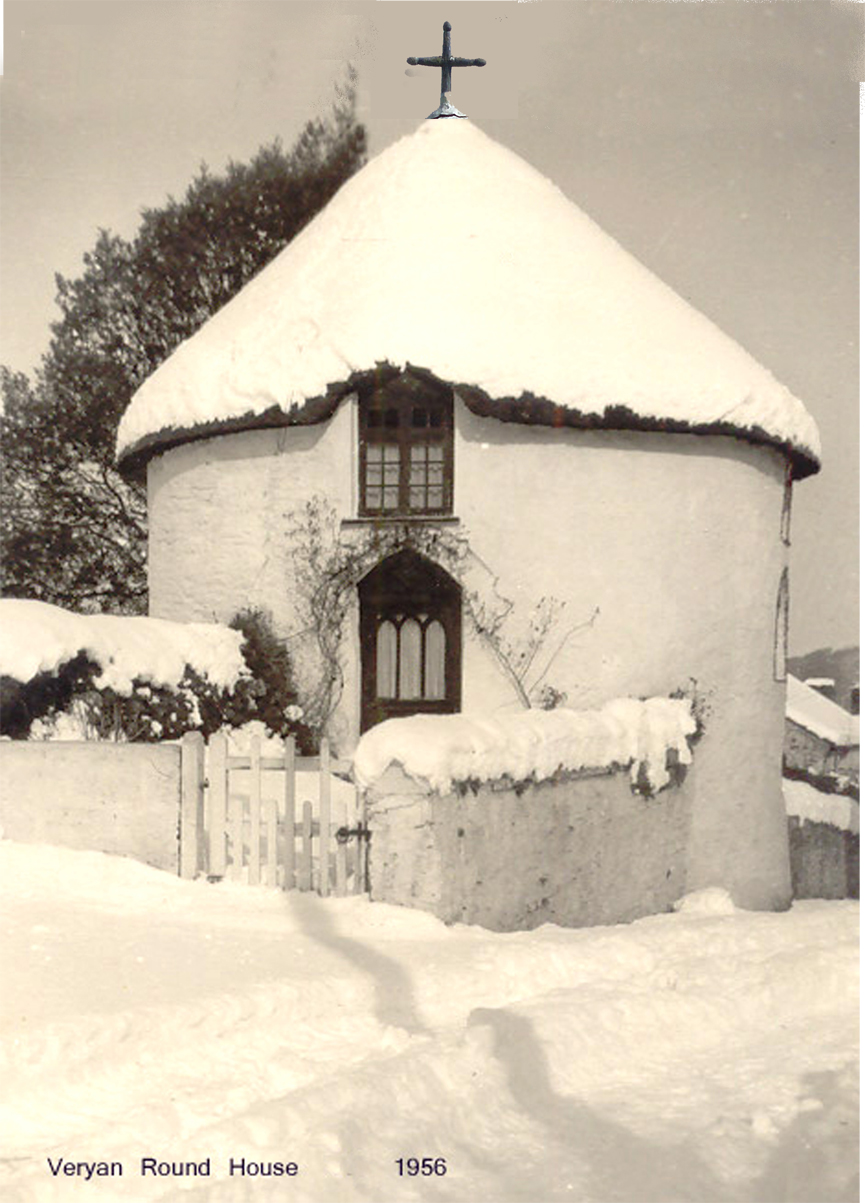
An early variation on stone was building with cob, where stones are combined with clay, sand and straw with each layer being added by hand to create a thick mound in the shape of a wall. The round houses in Veryan in Cornwall were built of cob.
Medieval building in stone was massively labour intensive. There would be stone masons, but also blacksmith to sharpen and replace broken chisels, sometimes as many as three times a day. There would be carpenters working on whole trees dragged to site for beams within the building and also to make formers for domes and arches. Stone had to be quarried and brought to site, all by hand. Stones were bound together by lime mortar, which was made by burning limestone in lime kilns – a noxious process. I remember from childhood a disused lime kiln we used to play in!
William Wynford stands out as a 14th century master mason who designed and supervised construction. He was a highly regarded exponent of Perpendicular gothic architecture. Through his association with William of Wykeham, he worked on Windsor, Corfe, Winchester and Southampton castles. He was appointed architect to the Bishop of Winchester and remodelled the cathedral’s 11th century nave. From this, he built Winchester College and New College Oxford.
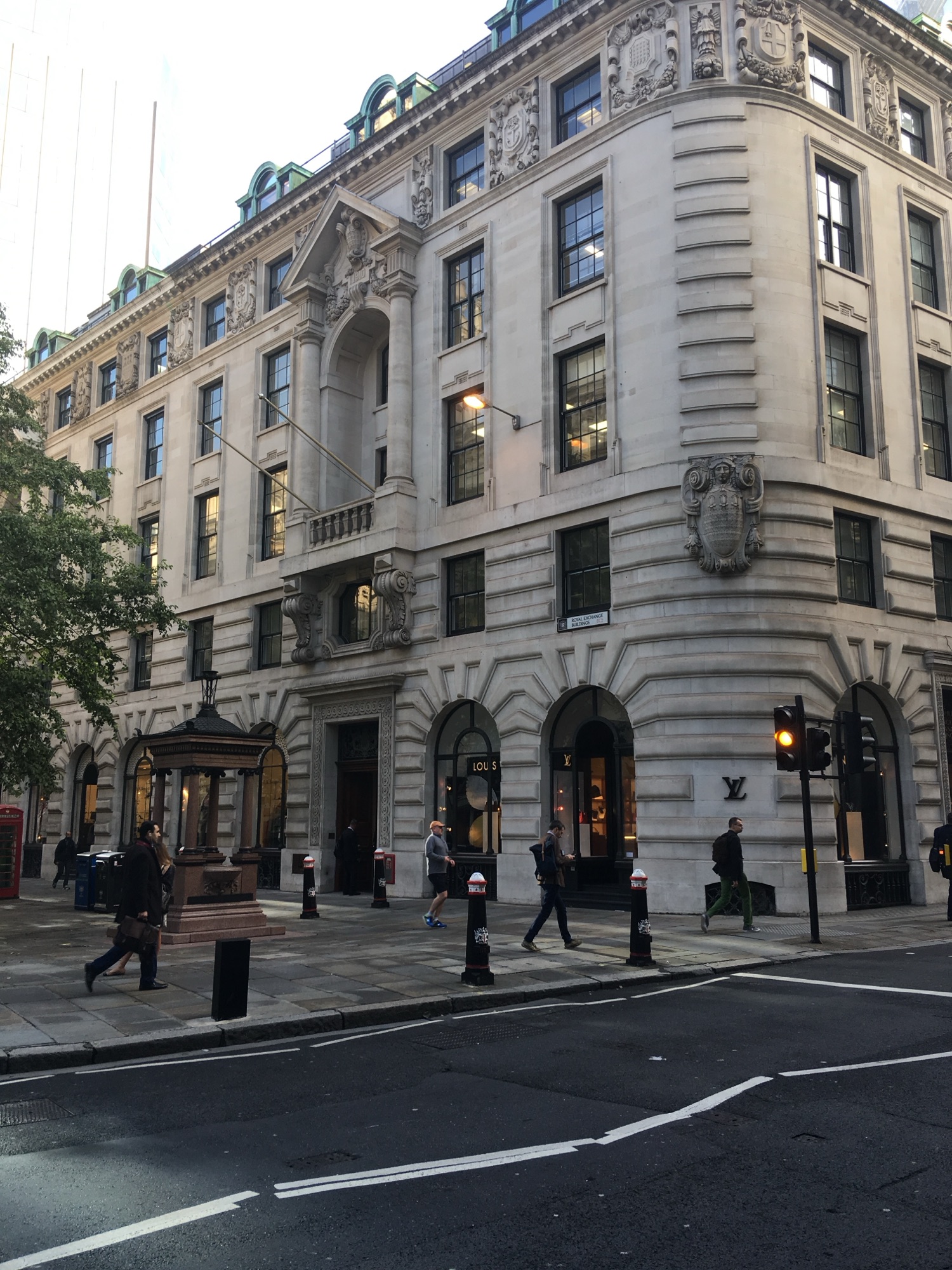
Stone in England was mainly from the rich seam of limestone which runs from Yorkshire through Lincolnshire, Gloucestershire and Dorset before dropping into the English Channel around Lyme Regis after which it re-appears in France. It is strong, but workable. I got to know it at Lincoln Cathedral, because that magnificent structure was built from limestone quarried in Lincoln. In the nave, attached to the pillars, there is Purbeck Marble taken from the same seam, but on the south coast. Interestingly, Purbech isn’t far from Portland which is the name given to the limestone used in so many of London’s great buildings.
Beer Limestone Caves are on the Devon south coast near Banscombe. These can be visited to see how limestone was mined; it was more often quarried in open sites.
I was lucky enough to witness the Lincoln stone festival which invited masons from across the world to demonstrate their craft. This sound is of mediaeval England, and also much of Europe. Here is a link to YouTube
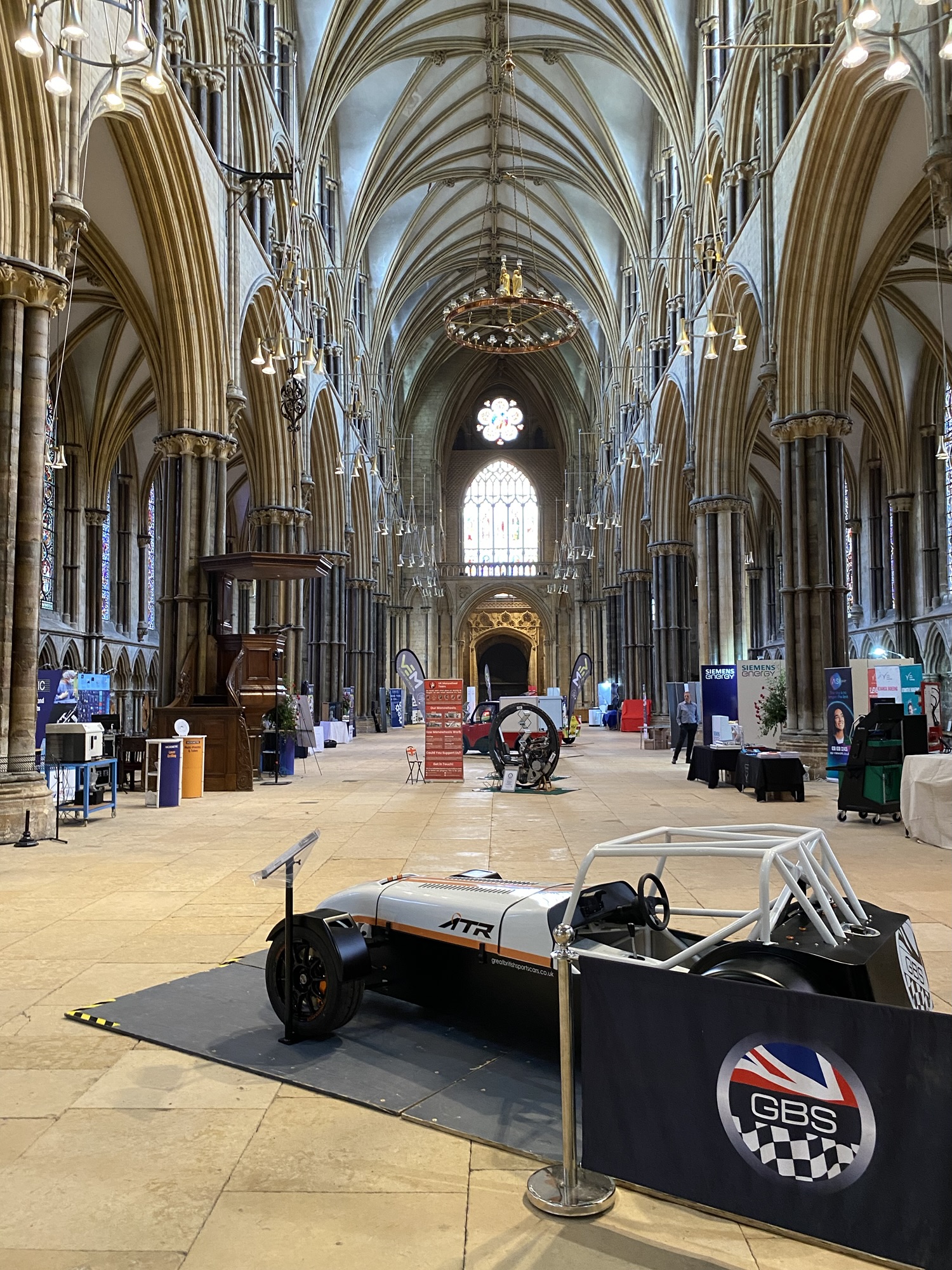
The Normans loved building with stone and so when William conquered in 1066, he went about building castles and cathedrals, many from a Saxon base or even earlier. Indeed it is probable the Lincoln Cathedral is on the site of a Roman temple.
It wasn’t only limestone. Sandstone was also used in church building. I knew this in the villages of the Wreake Valley in Leicestershire. Sandstone is much softer and vulnerable to erosion.
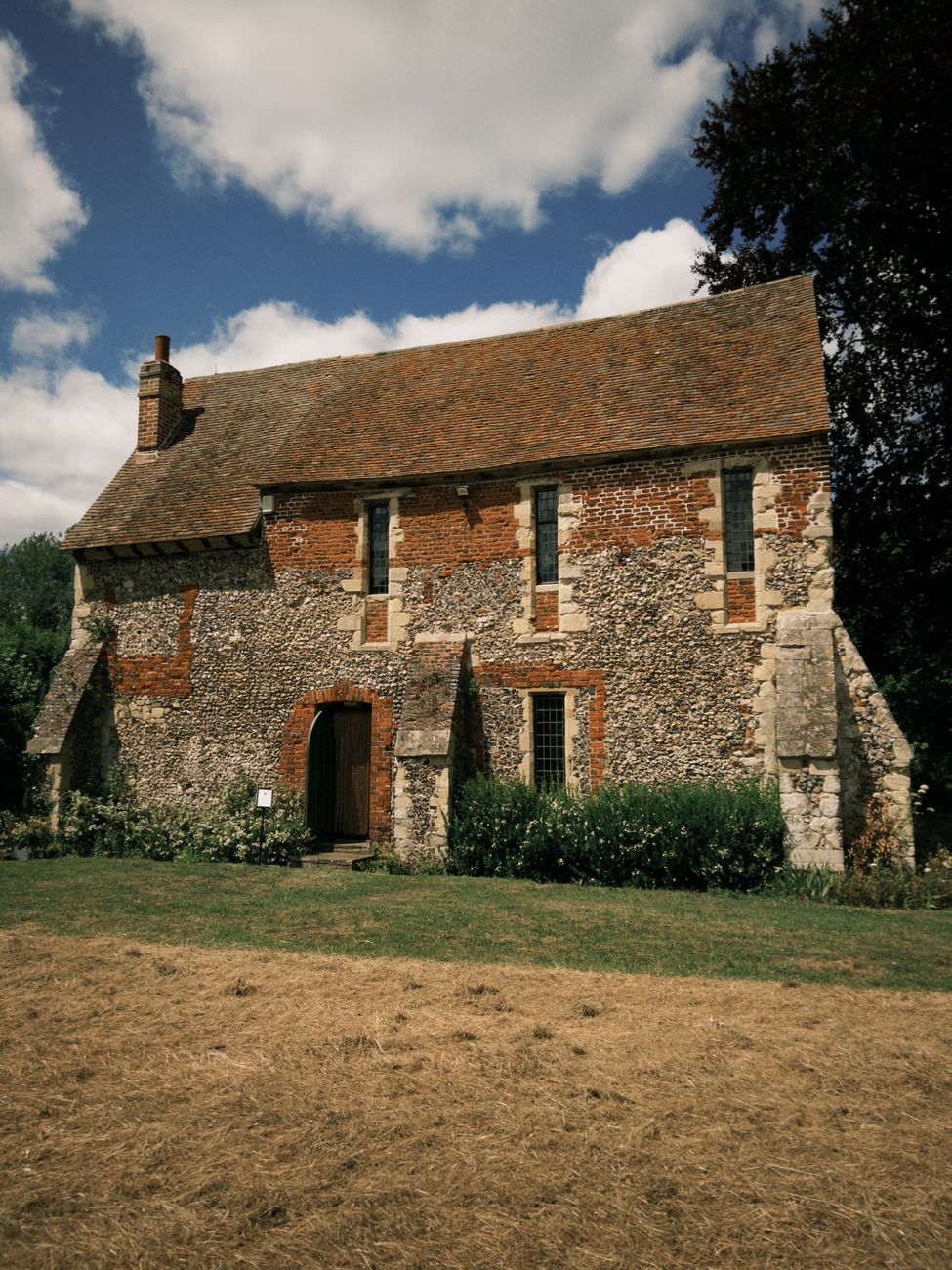
In areas of chalk and clay, there were flints which could be used alongside clay in building walls.
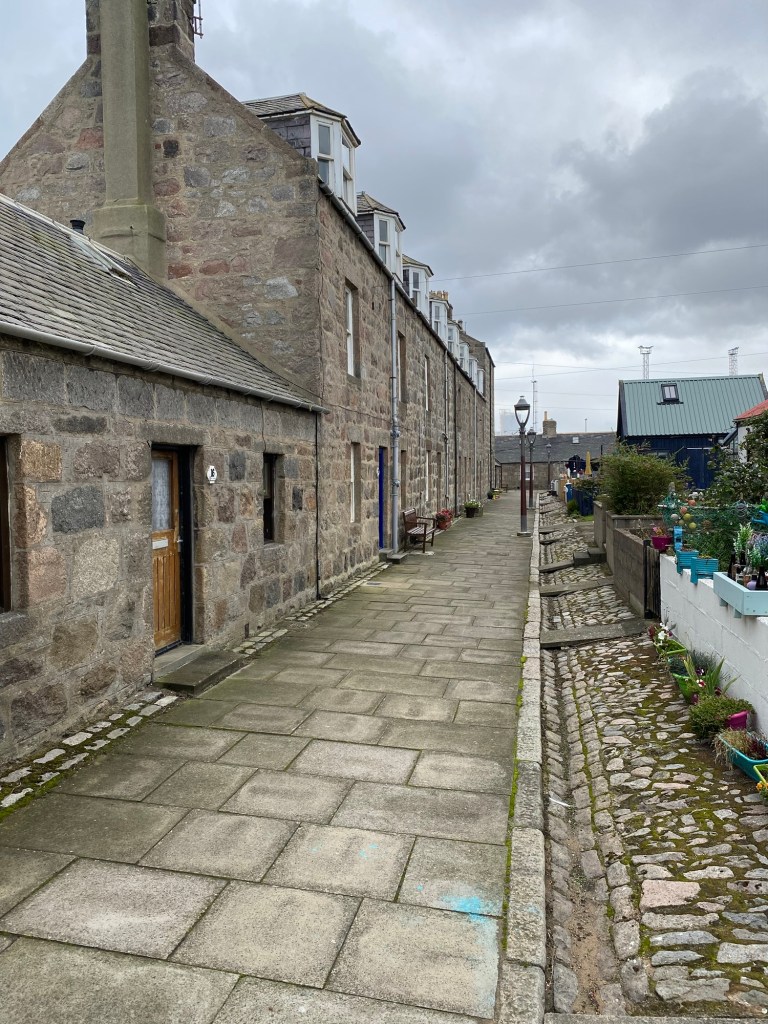
Aberdeen is known for its granite buildings.
In terms of secular design, the principal building in a manor in the 12th century was a hall built of stone (if the manor was wealthy) in which the whole community would gather to eat and feast. In the centre of the hall was a fire, smoke from which would eventually make its way through louvres in what was probably a thatched roof. The hall offered no privacy for the Lord and his family and so a smaller building, a chamber, would be built nearby offering a room to sleep and a room to warm by a fire. This building may have a fireplace with a chimney. Floors were mainly of earth, sometimes covered with rushes.
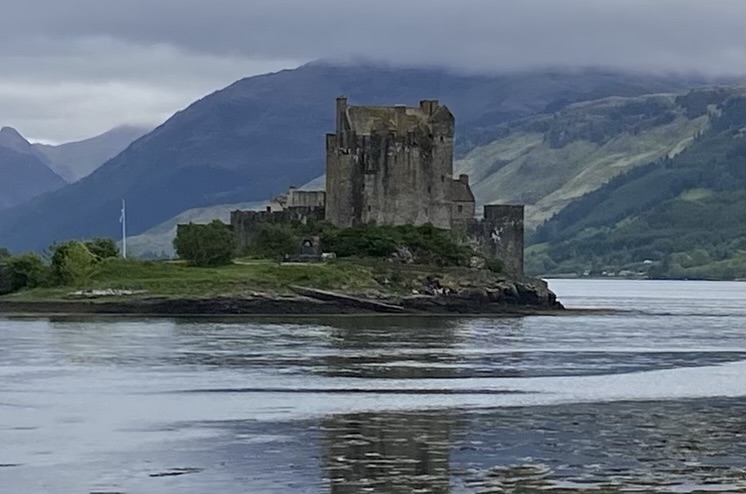
Early castles comprised a ‘keep’ built of stone (or timber in cases of urgency) on a mound of earth created by digging a moat to surround the mound. In time of course castles became larger and more complex. English Heritage offer a most helpful outline of the story of British castles. I write more in my post on Military buildings.
All this was the work of stone masons. The Roman inheritance can be traced through masons lodges which held the secrets of their craft. These lodges would also attract scientists who were wary of contradicting established thought. The Modern Freemasons evolved from the craft guilds.
Church building over ten centuries consumed more labour, money and materials than any other form of building and I will write of these in a separate post.
The vast majority of mediaeval building was in wood of which I write in the previous post.

