
Castles
My story of British buildings before the Elizabethan age is one of internal conflict. The ancient British tribes would fight each other. The long line of invaders would terrify the local population.
The response though wasn’t with castles, but, as I write in my piece on Early England, with burghs promoted by the king where the population could find safety. They were, of course, not always successful when put to the test. The Roman architect Vitruvius was a maker of siege engines.
Eleventh Century
Castles arrived with the Normans who stamped their power with them. These early castles comprised a ‘keep’ built of stone (or timber in cases of urgency) on a mound of earth created by digging a moat to surround it. Marc Morris’s book, Castle, takes the reader through the bloody story of British castles. He suggests that William conquered a population of between one and two million with any army of 7,000 and 500 castles built either under the direction of the King or by his ‘great men’. The building was without regard to the local population. The building of Lincoln Castle required the demolition of 166 homes. Whilst Lincoln remained and indeed remains, many if not most of William’s castle fell into disrepair simply because they were no longer needed, England was at peace.
Twelfth Century
Morris suggests that this was the age of the stone tower, the foremost of which was the White Tower in what we know as the Tower of London. It was of course a castle, but with rooms built one on top of another producing a tower of three floors. It was built to impress, but also to be defended; William may have won but he still had reasons for fear. He was not the only castle builder; his barons were too.
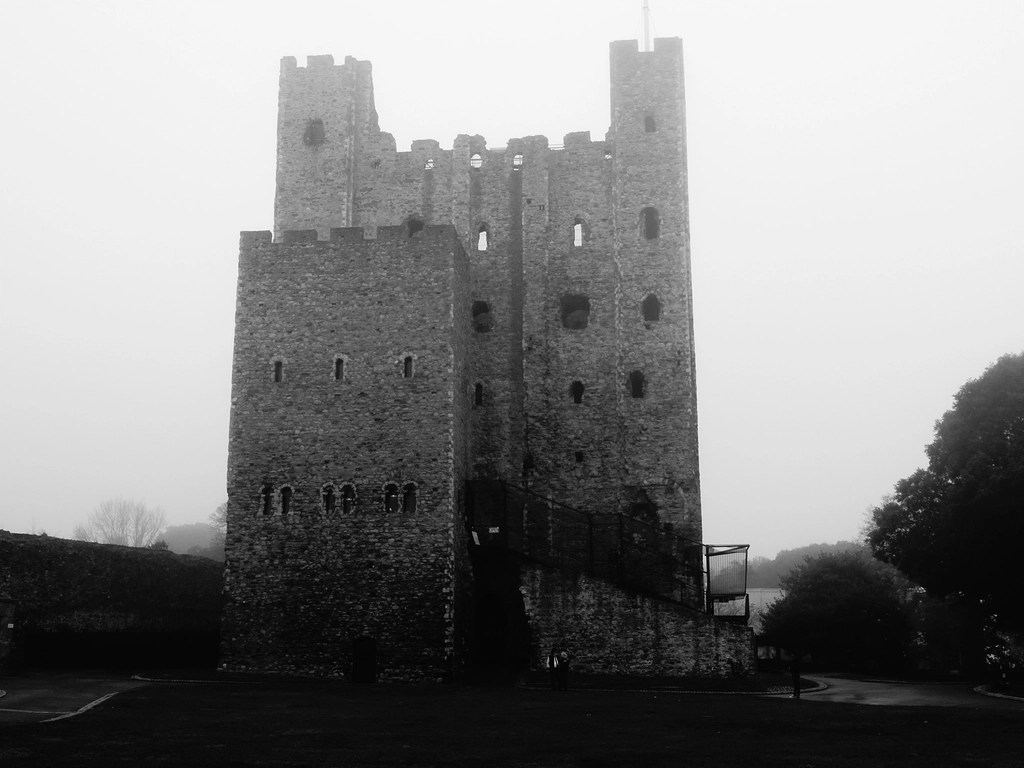
A tower taller than that in London was built at Rochester
Caerphilly
Thirteenth Century
Rochester takes centre stage in the early part of the century with the siege by King John of the rebel held castle. The brutal siege lasted seven weeks with the King emerging victorious. The year was 1215, the year of Magna Carta. King John died of dissentry soon after.
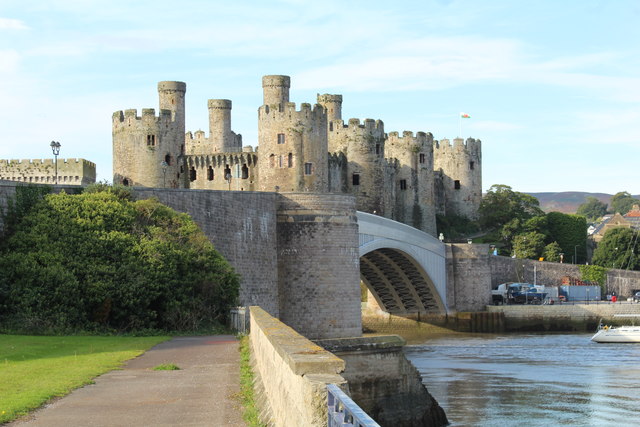
The string of great Welsh castles are the legacy of Edward I and his conquest of that country. We can start at Caernarfon and work along through Conwy, Harlech and Flint. These took castle building a whole stage further.
Fourteenth Century
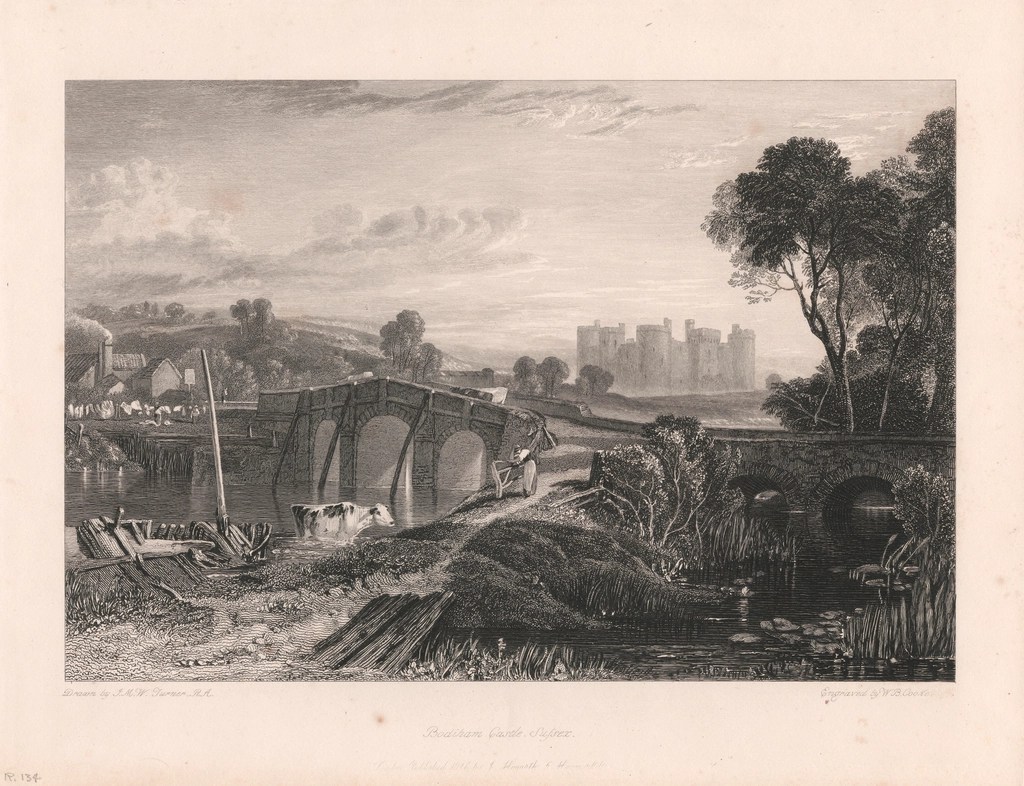
Bodiham castle was built by an aspiring aristocrat Sir Edward Dallingridge who had gained great wealth in the Hundred Years War. The Welsh castles had been built on rock in commanding positions. with Bodiham there was no such constraints and it could be built as a square.
Fifteenth and Sixteenth Centuries
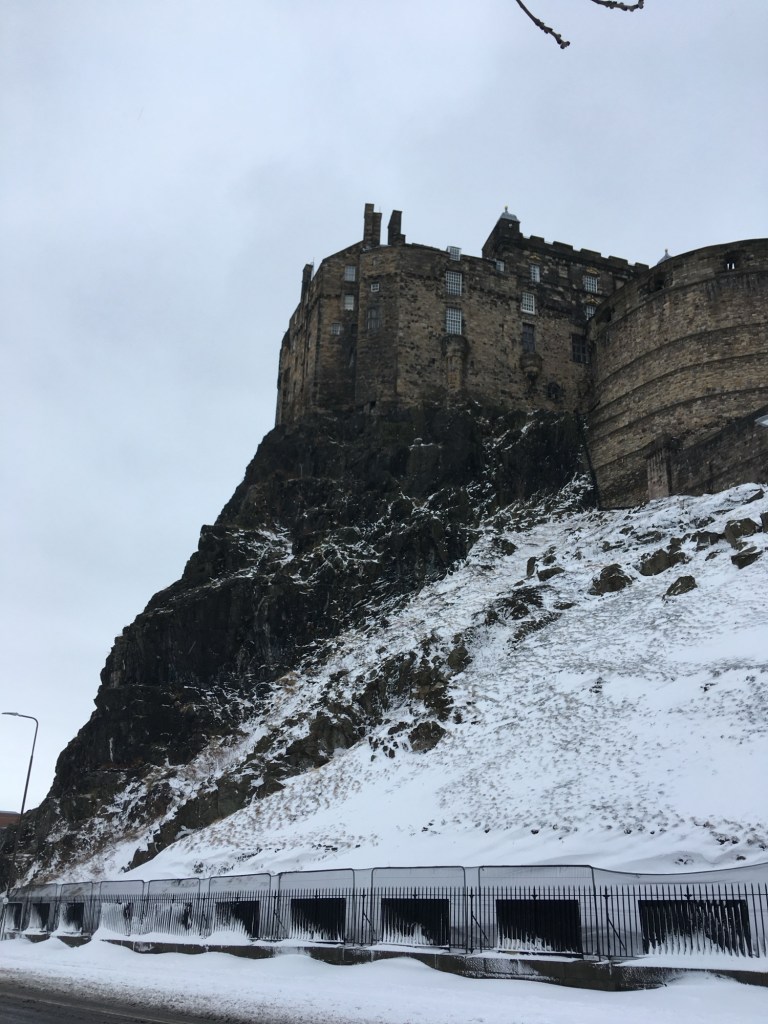
Scottish castles built as towers surrounded by domestic buildings were the homes of the clan chiefs and had little military use. The two most famous castles north of the border were rather different. Both built on rocks giving them a commanding position in the landscape. Both having courtyard interiors, evidence of French influence. Both were scenes of bloody and famous battles.
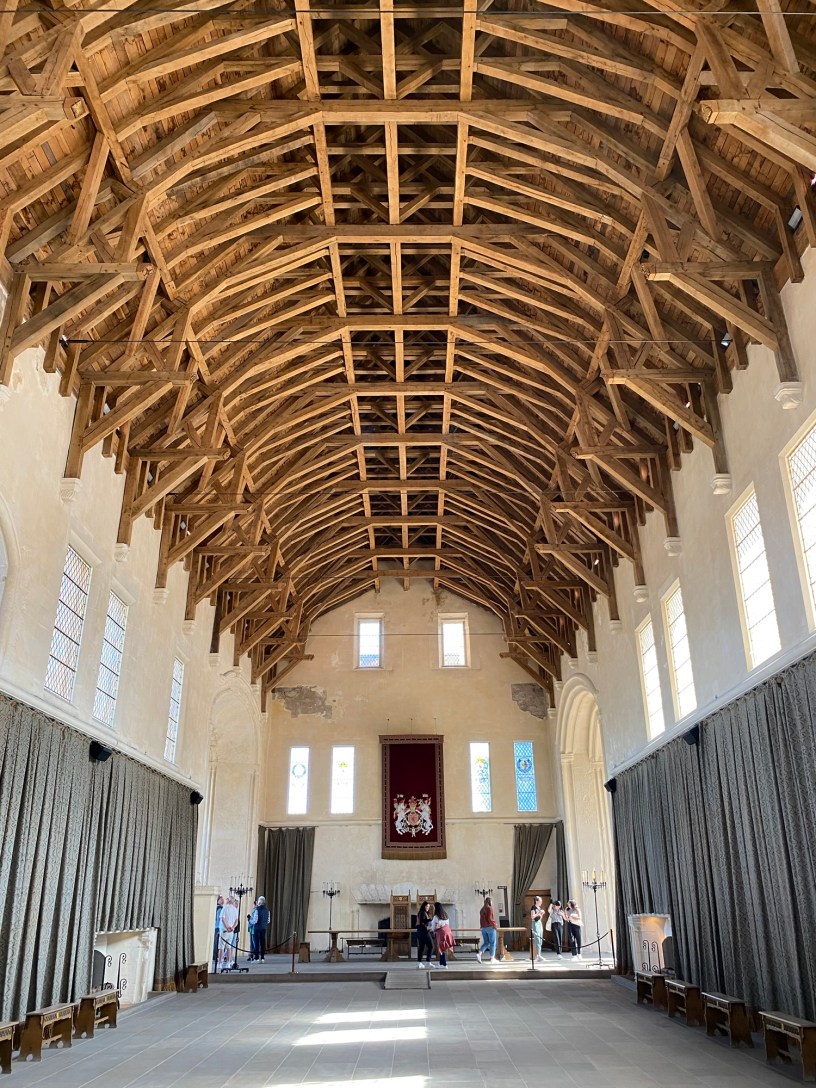
The post image is the hall at Stirling Castle which was repurposed as barracks (my father served there in the interwar years) and subsequently restored. The castle in Edinburgh is of course well known for its annual military tattoo.
A Castle Postscript
The last castles of military importance were those coastal forts built by Henry VIII from Pendennis in Cornwall to Deal in Kent.
Naval Dockyards
I wrote of these in the context of naval shipbuilding in my book How Manufacturing Shaped Britain.
The Naval dockyard at Woolwich became the principal focus in the reign of Henry VIII and the building of Henri Grace a Dieu. Looking at the records of the Board of Ordnance, which supplied cannon, powder and cannon balls, there grew up substantial stores at Chatham, Tilbury and Sheerness and to a lesser extent Woolwich itself.
Chatham was a small village on the mudflats of the Medway not far from Rochester and close to Gillingham, Strood and Rainham. It was the mud that attracted naval use. The Medway then came into its own, since ships could safely be beached there to have their hulls cleaned, caulked and tarred.
Elizabeth I added to the Navy, galleys – ships with both sail and oars. These were stationed at Chatham where they could easily be maintained. The dockyard was already bigger than Portsmouth, Deptford and Woolwich and it maintained and improved on this position through the years of war with the Dutch. The yard attracted shipwrights, carpenters, sailmakers, smiths, sawyers, riggers and mast-makers. Substantial work was undertaken in the nineteenth century with new dry and wet docks, repair and fitting out basins all demanding some 110 million bricks made on site from a 21 acre brickfield.
Portsmouth was one of the earliest homes of naval shipbuilding; there is some evidence that Richard the Lionheart’s ships taking him on the crusades were built there. Henry VII commissioned the first dry-dock in 1495. The Mary Rose was built there as Henry VIII amassed galleons to keep up with the Spanish and Portuguese. This 800-ton ship was the first built by a British king specifically for war, previously merchantmen had been adapted as the need arose.
In the late seventeenth century, Plymouth became home to a Royal Dock known now as Devonport. The docks built many hundreds of ships and maintained the fleet. In the nineteenth century it was subject to a major extension to allow for larger ships, also the Royal William Victualling Yard was built.
Barracks
Berwick-upon-Tweed
The great periods of barrack building began in Berwick-upon-Tweed built between 1715 and 1745 against the Jacobite Rebellion. English Heritage has offered an engaging description of this remarkable building designed by Nicholas Hawkesmoor but made to look a little less fancy by the Board of Ordnance whose officers supervised its construction.
Colchester
A military presence in Colchester goes back to Roman times. The relatively modern use came with the Napoleonic Wars when barracks were built by Thomas Neill to house some 7,000 men. After the war, the barracks emptied and were demolished or repurposed. In 1856 a hutted camp was built by Lucas Brothers. In the coming years brick built infantry barracks and married quarters were added along with Cavalry and Artillery barracks. in 1914, some 40,000 men were training at the camp. The camp underwent a major reorganisation by Robert McAlpine between 2004 and 2008.
Woolwich Arsenal
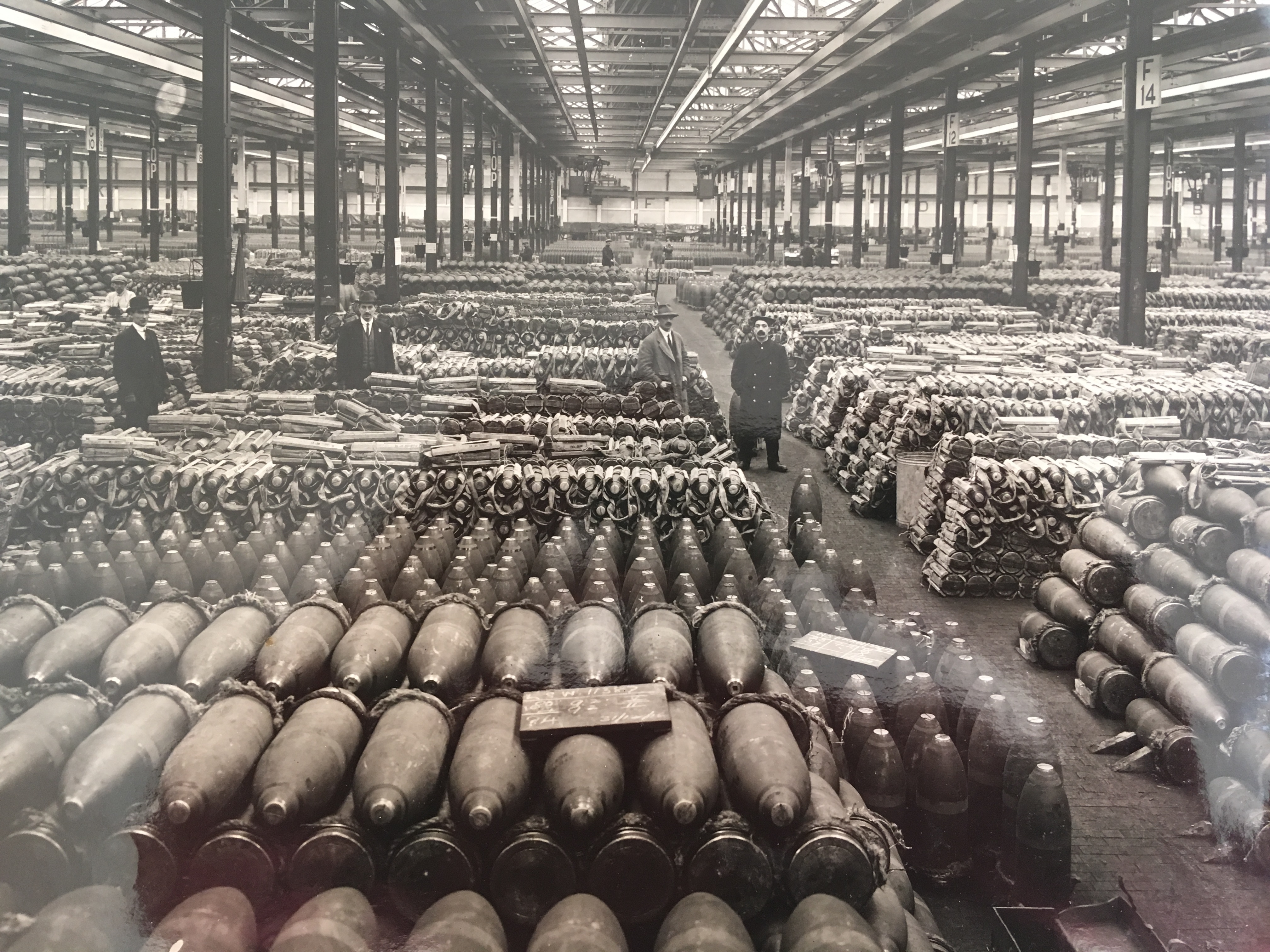
The transformation of the 16th-century royal dockyard and gun wharf into a massive state-run military complex occurred in the early nineteenth century. Individual buildings and expansions were commissioned by the Board of Ordnance or the War Office, utilising various military engineers, architects, and labour forces (including civilian tradesmen, royal master builders, and convict labour). I write much more about Woolwich and its role in the First World War in my book Ordnance.
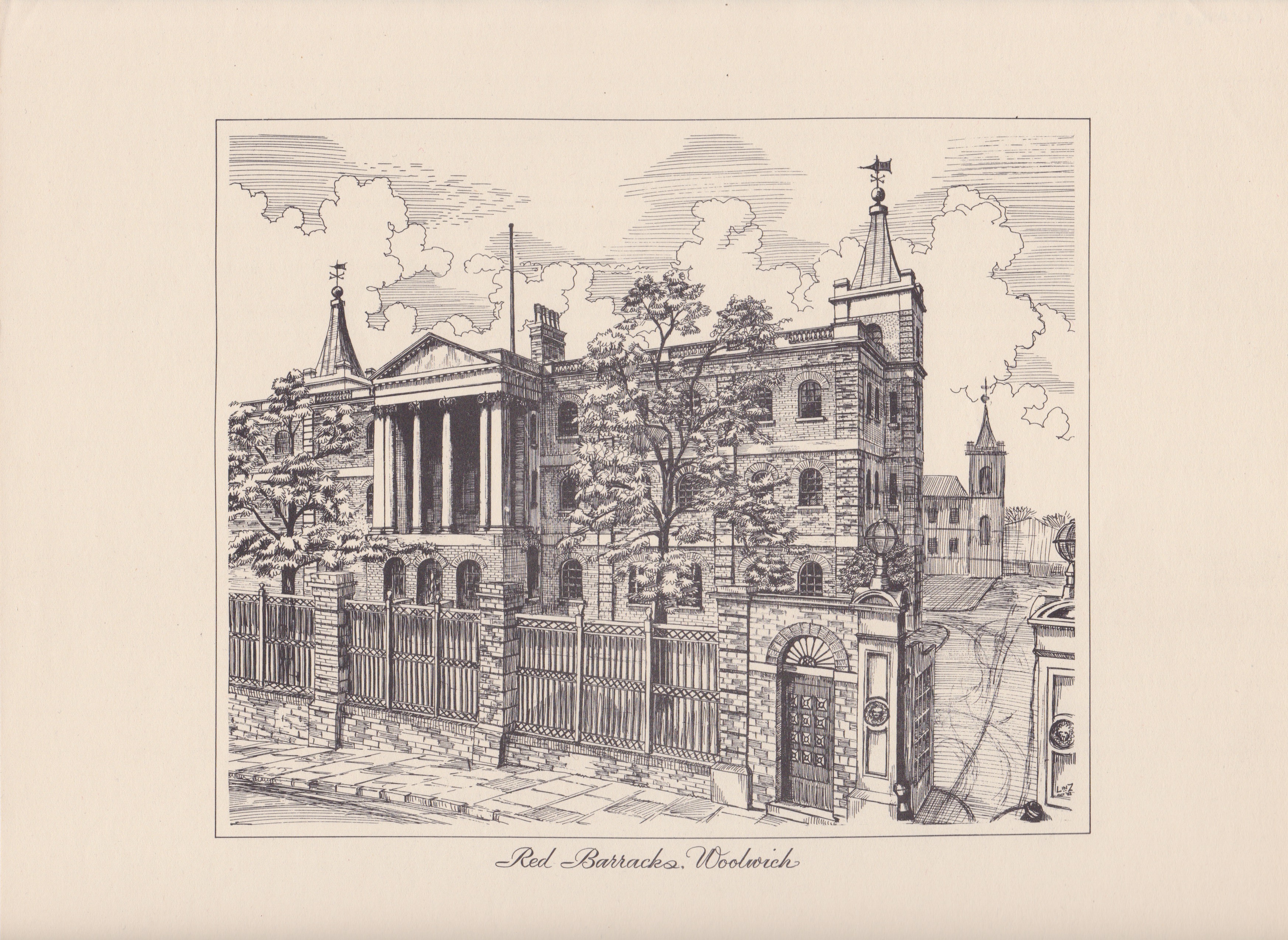
The Red Barracks was built as a Royal Marine Infirmary. It was later occupied by the RAOC. Image with thanks to the RLC archive.
Royal Military Academy Sandhurst
The Royal Military College was built between 1801 and 1812 by the barracks contractor Alexander Copeland.
Weedon Bec Barracks and Ordnance Depot.
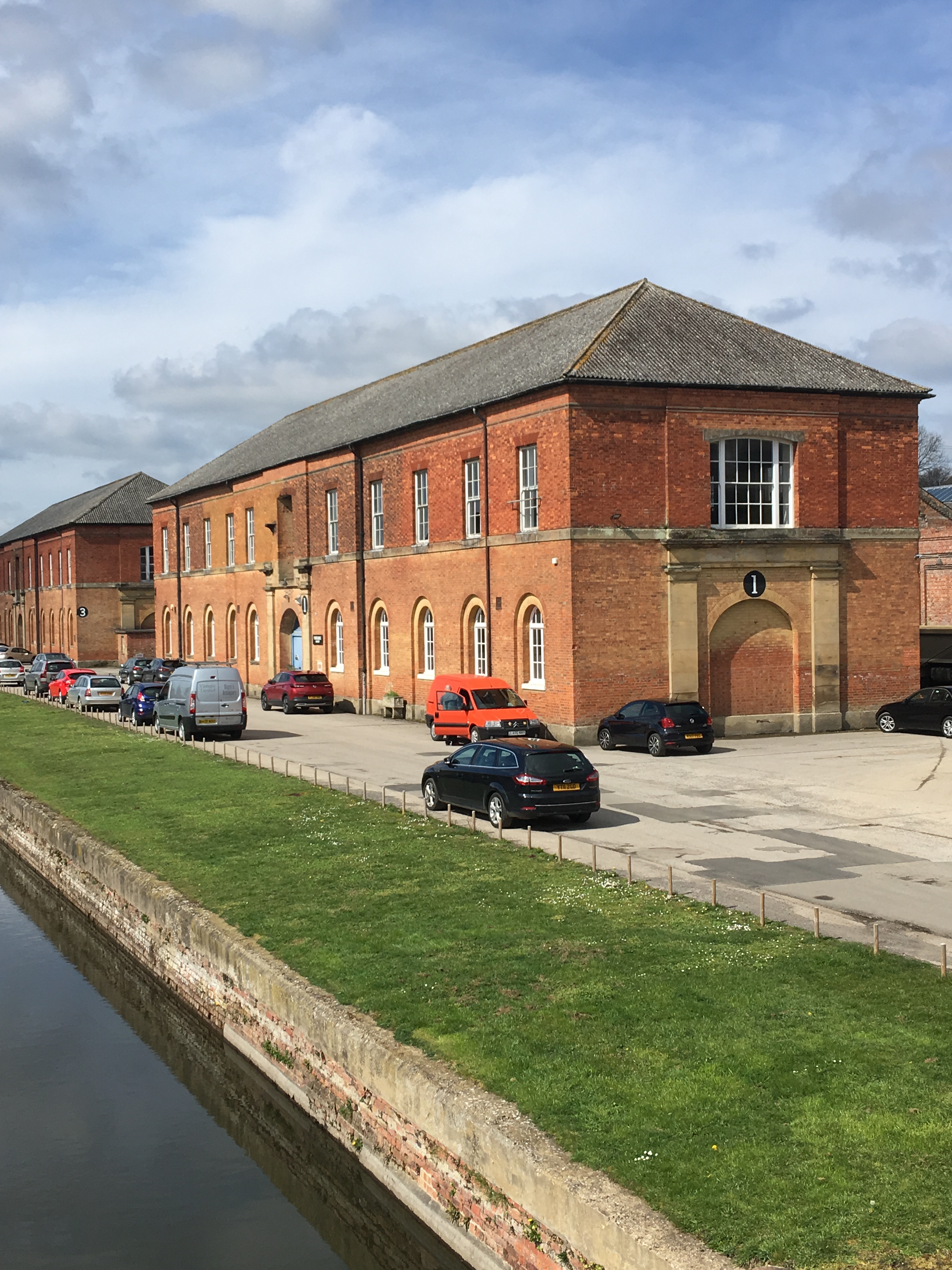
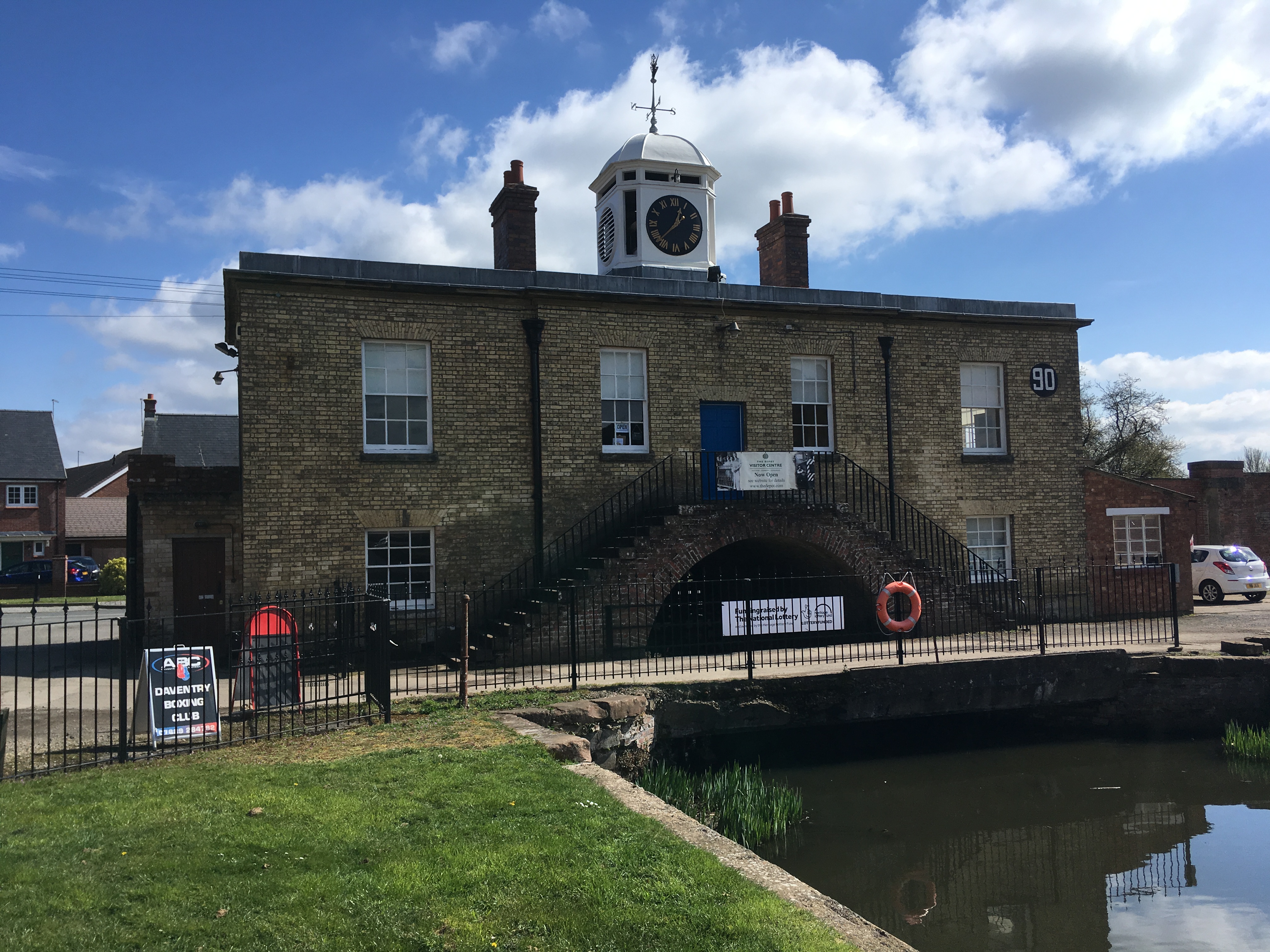
Weedon Bec barracks were built between 1805 and 1816 under the supervision of the Royal Engineers to provide backup for Woolwich. It later became a Central Ordnance Depot supplying the army with small arms.
Martello Towers
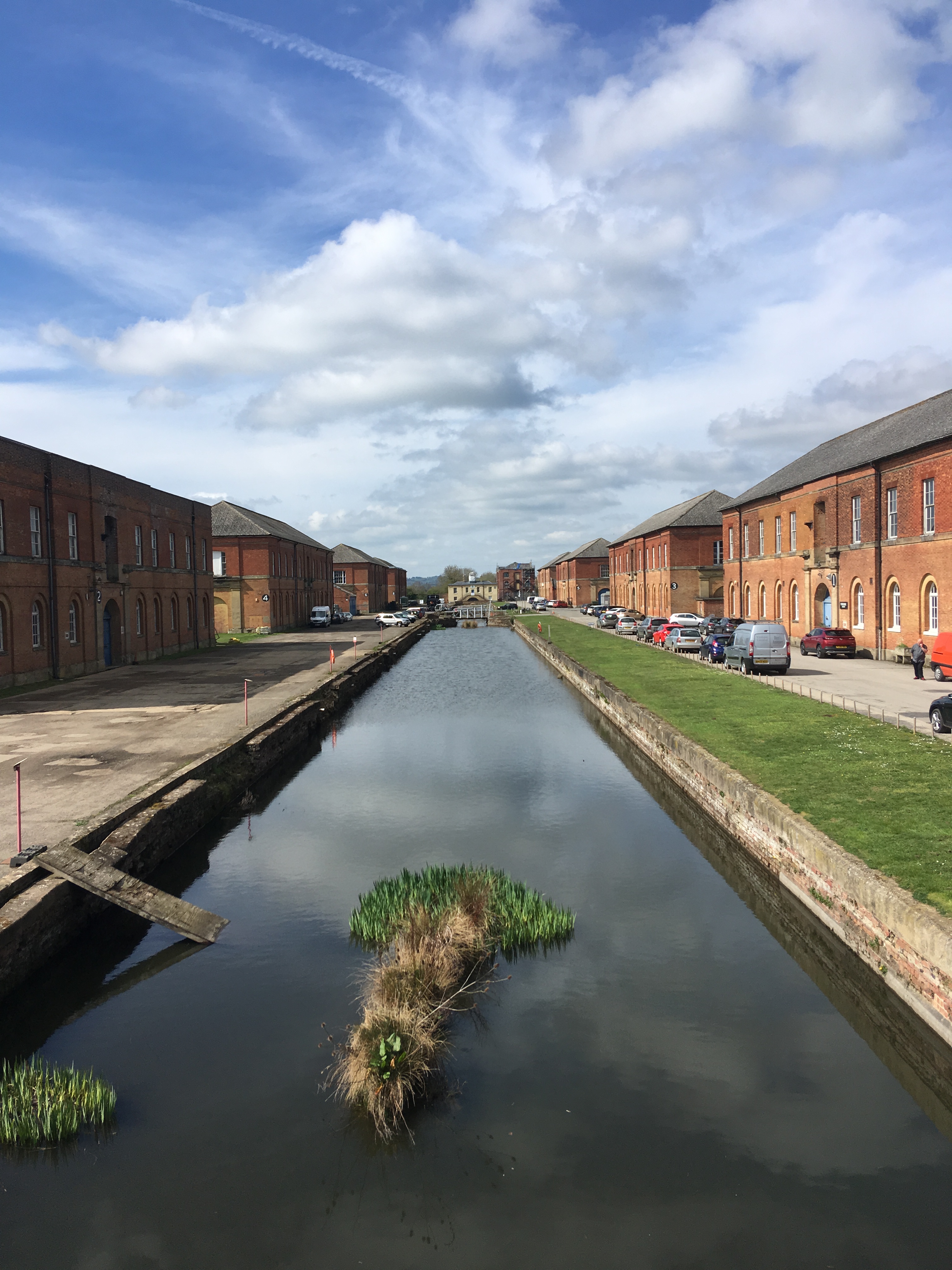
From the time of the French Revolutionary Wars, Martello Towers were built on prominent situations around the coastline of Britain and its dependancies. Standing at 40 feet tall with thick walls, they had on top a single cannon which could be moved and so could cover 360 degrees. They were based on the Martello Tower in Corsica.
Palmerston Forts
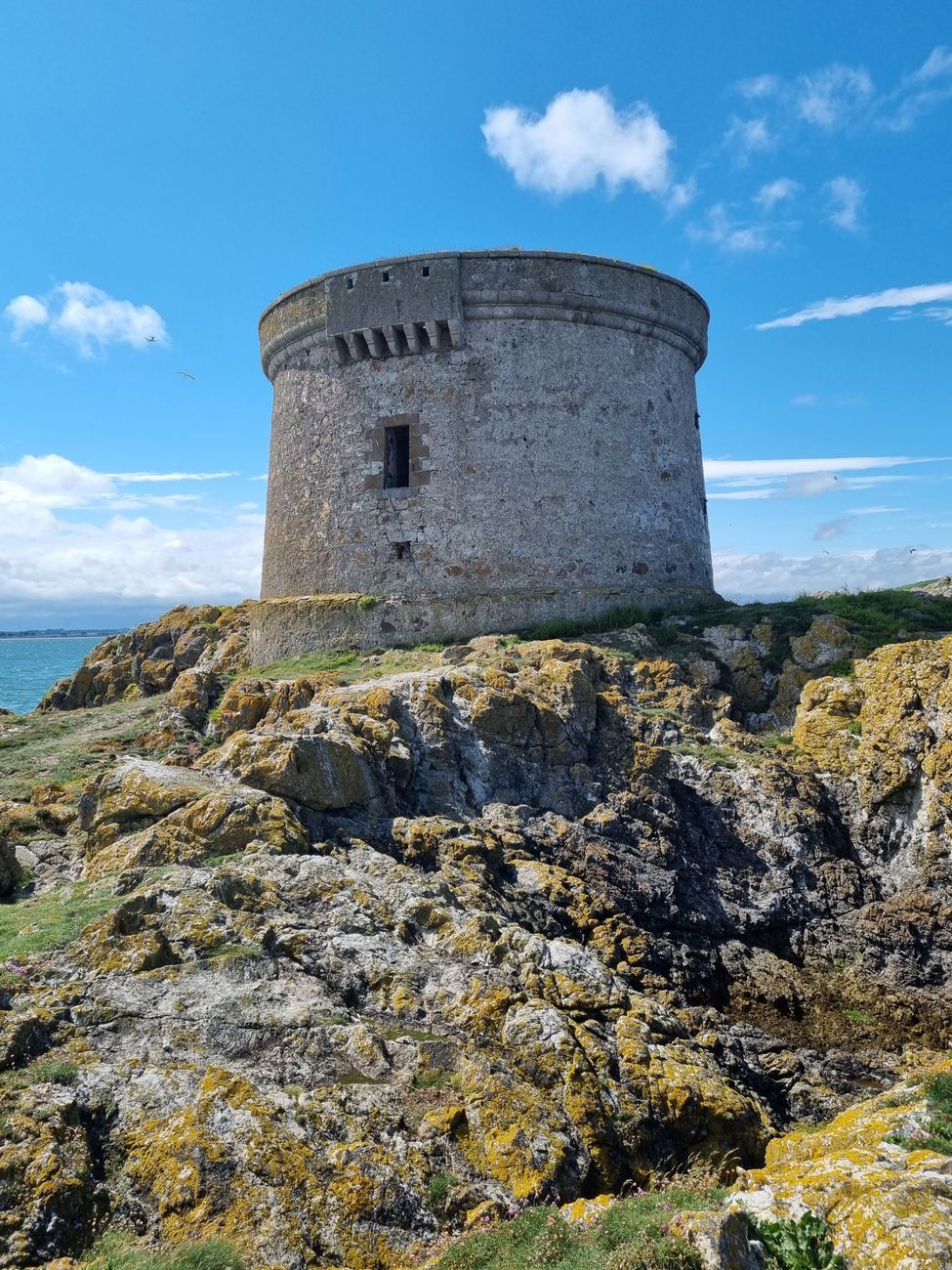
In 1859 the fear of invasion was such that the government decided that action was required and it set up a Royal Commission to report on appropriate defences. The Palmerston Forts Society have obtained a copy of the report which makes for fascinating reading (a pdf is available on their website). Naval warfare was changing with the advent of steam powered, iron or steel clad vessels. Also in the wake of the Crimean War, cannon had become more accurate. The report concludes that the defence of our naval ports and shipyards may most effectively be achieved by fortification at each location supported by associated works. The forts needed to be of new designs to provide protection from attack by modern ships. They also needed batteries of powerful guns. The report provided detailed recommendations on locations and fortifications required. Parliament pruned the recommendations but the following Palmerston Forts, as they became known, were the result:
- Portsmouth – a ring of forts to protect the dockyard
- The Solent – the sea forts
- Plymouth – Crownhill Fort
- Isle of Wight
- Dover – Fort Burgoyne
- Thames Estuary – Cliffe Fort
- Humber – Fort Paull
The forts were built by contractors supervised by Royal Engineers. For example, Crownhill Fort was of cutting edge design and built by George Baker who went bankrupt and so the work was completed by Royal Engineers.
Drill Halls
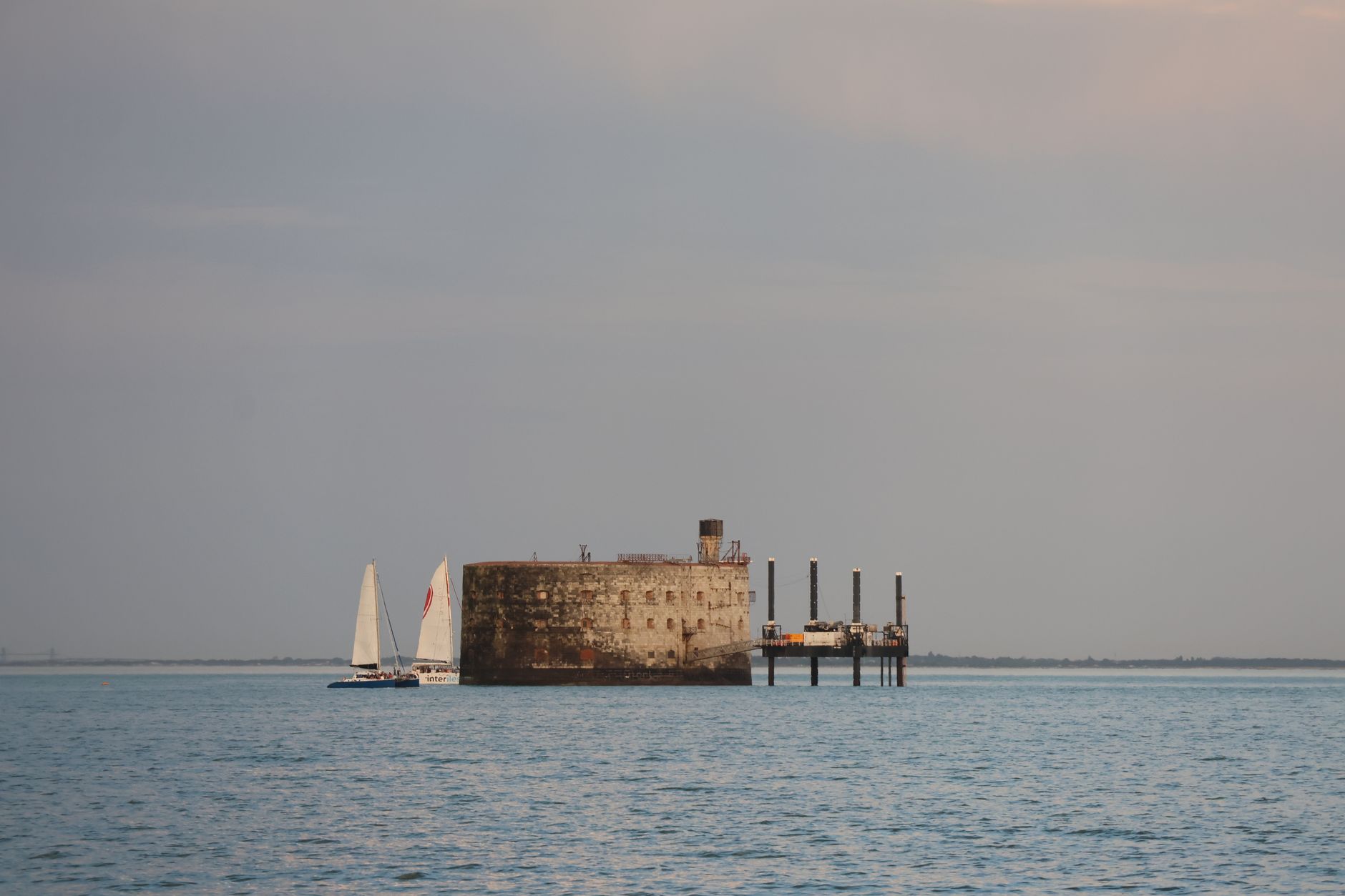
In the nineteenth century drill halls were built around the country where members of the local militia could train. Lincoln’s hall was financed by local engineer Joseph Ruston, built by H.S. and W. Close of Lincoln and designed by War Office Architect, William Goddard whose also designed the Old Barracks. He was for many years the Diocesan architect working on many churches.
First World War
Catterick Camp
Under the name Richmond Camp in the First World War what became known as Catterick housed in temporary accommodation for some 40,000 men. After the war, the government decided that it should become a permanent establishment. Extensive building work was undertaken by John Laing then of Carlisle.
Munitions Factories
I have compiled a list of WW1 Munition and National Aircraft Factories and WW2 Royal Ordnance and Shadow Factories in my manufacturing history blog. Here I mention just a few.
Gretna
The location of munition factories was generally away from areas of population and Gretna on the Scottish Borders fitted the bill. The camp was built by S. Pearson. John Laing built associated housing for the workforce.
Chilwell
Built by Holland, Hannen and Cubitt. I write of this at some length in my book Ordnance.
Aircraft factories
Holland, Hannen and Cubitt
Handley Page’s aircraft factory at Cricklewood was built by HHC, as was the Croydon National Aircraft Factory producing de Havilland DH9s. That factory was fourteen million cubic feet in size and employed seven thousand people.
Naval Harbours
A major fear in the run up to the First World War was that German submarines might take control of the English Channel. In order to prevent this a major harbour was built at Dover by contractors S. Pearson & Son.
Second World War
Aerodromes
The Air Ministry had been building an infrastructure for the RAF since the end of the First World War.
Airfields construction was a major wartime project with some 444 being built across the country between 1939 and 1945. Each airfield had to be surveyed for the composition of the ground but also for water and drainage. Typically there would be three 50 yard wide runways of between 1,000 and 3,000 yards in length, requiring 130,000 tons oof ballast and cement and 50 miles of drainage pipes and conduits. As planes became heavier it was a matter of trial and error to see what runway foundations were required.
John Laing
Laings had been prominent among those who were awarded contracts. From 1935 the pace of air field building speeded up and Laings were very busy. Sites were also built in 1938 for balloon barrages with work divided between Wimpey and Laings. Laings built the new headquarters of Bomber Command near High Wycombe.
F. Perks & Son
Built Aerodromes at Catterick, 1939; Digby, 1938/39; Leconfield, 1939/40; Linton on Ouse, 1939/40; Wittering, 1935/41.
Royal Ordnance Factories
Chorley
Built by Sir Lindsay Parkinson Civil Engineers.
Sellafield
Built by John Laing and repurposed after the war for nuclear fuel by Sir Robert McAlpine and Kier. Laings also built a shadow factory for High Duty Alloys at Distington also in Cumbria.
Swynerton
Built by Mowlem
Central Ordnance Depots
Old Dalby
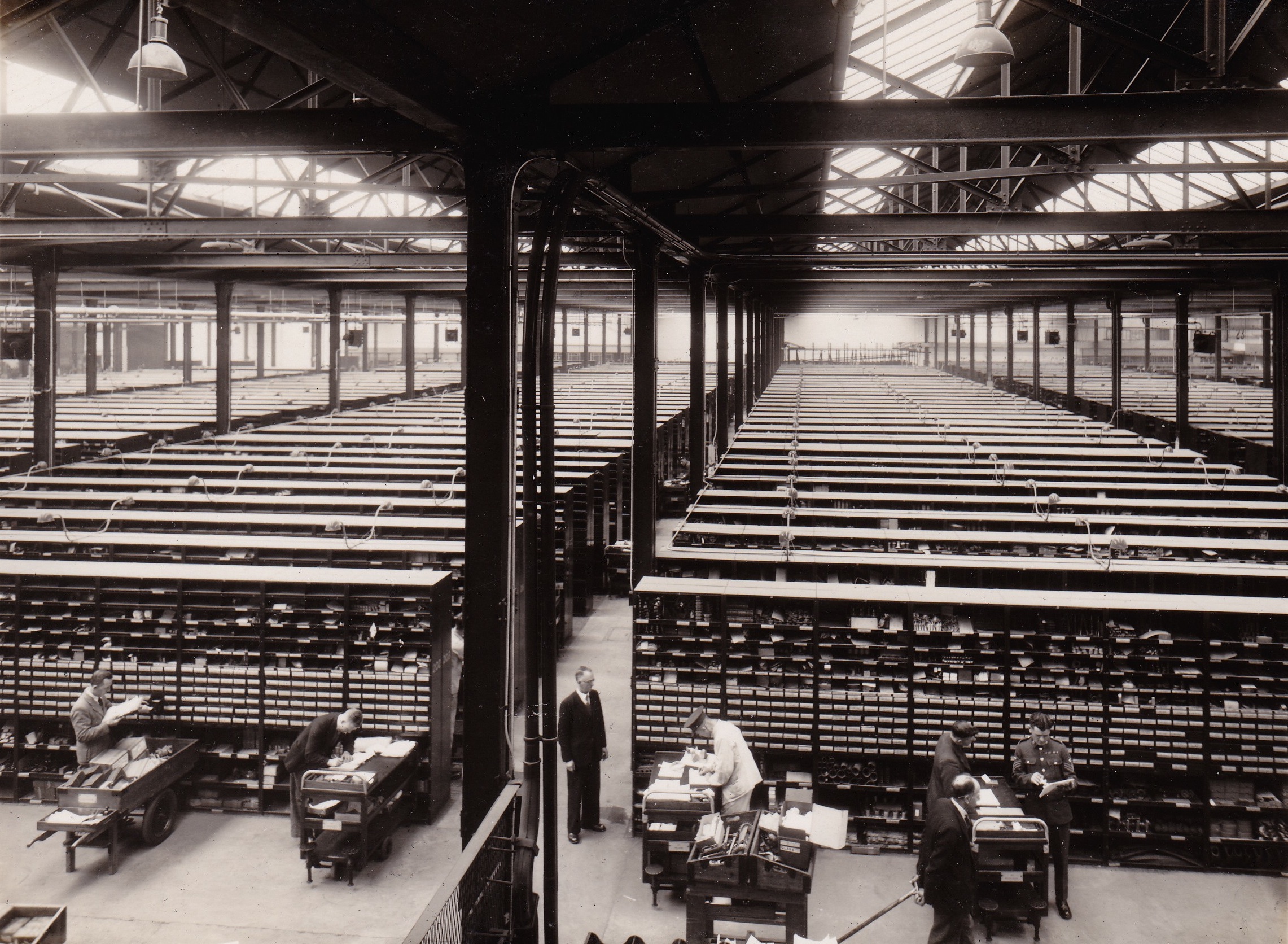
Built by F. Perks & Son of Long Eaton in 1940 to supply armaments. It is one of the few WW2 depots to remain largely as built although repurposed as an industrial estate. I was fortunate enough to visit it and to be shown the interior of one of the buildings. Read more here.
Chilwell
The site of the munitions factory in WW1, repurposed as the Army Centre for Mechanisation. I wrote its story in War on Wheels. Here is a link to the working of the depot. It was repurposed in part by F. Perks & Son with additional large sheds erected by Sir Lindsay Parkinson Civil Engineers.
Militia and Hutted Camps
For both world wars, camps for soldiers were created across the country by probably most building contractors. F. Perks & Son built camps at Pirbright, Lydd and Newark and Air Ministry ‘B’ type hutting at a number of locations including Carlisle and Woolsingham.
Mulberry Harbours
Although temporary, these structures occupied probably most of the British construction industry in 1943/4 including Costain, Mowlem, Holland & Hannen and Cubitt, and Wates, and contributed massively to the technology of building with concrete.
Further reading;
- Morris, Marc, Castle – A History of the Buildings that Shaped Medieval England (London: Pan Books, 2004)
- Hamlyn Williams, Philip, War on Wheels (Gloucester: The History Press, 2016)
- Hamlyn Williams, Philip, Ordnance (Gloucester: The History Press, 2018)

