
In the Elizabeth, Jacobean and Palladian periods the great families such as the Cecils at Burghley and the Cavendishes at Chatsworth hired master craftsmen such as Robert Smythson and Willliam Etty to manage teams of stonemasons, brick-makers and carpenters. Bess of Harwick is reputed to have built a village to house the many craftsmen and labourers who worked on Hardwick Hall.
R. Durnell & Sons, a family builder dating back to the sixteenth century were known for their work on historic building across the southest. W.G Carter is known in modern times for their restoration work.
In my piece on the Building of England, I left the story at the start of the sixteenth century with the observation that times were changing. In Italy, the Renaissance was underway with the re-discovery of classical architecture. This spread to France and found expression in highly decorative buildings. Henry VIII was a Europhile and brought in influence from France. We move to the Elizabethan Age and find an England where men were keen to boast of their wealth, learning and taste.
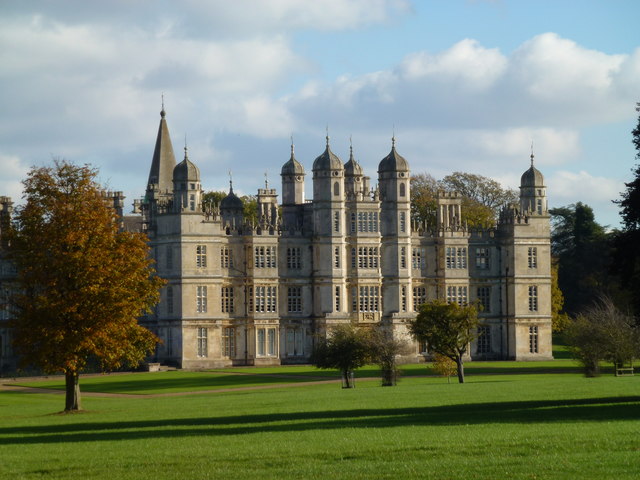
The Cecil family were highly influential and gained much wealth which they displayed through their house at Burghley built between 1555 and 1587 designed by master mason Robert Smythson.
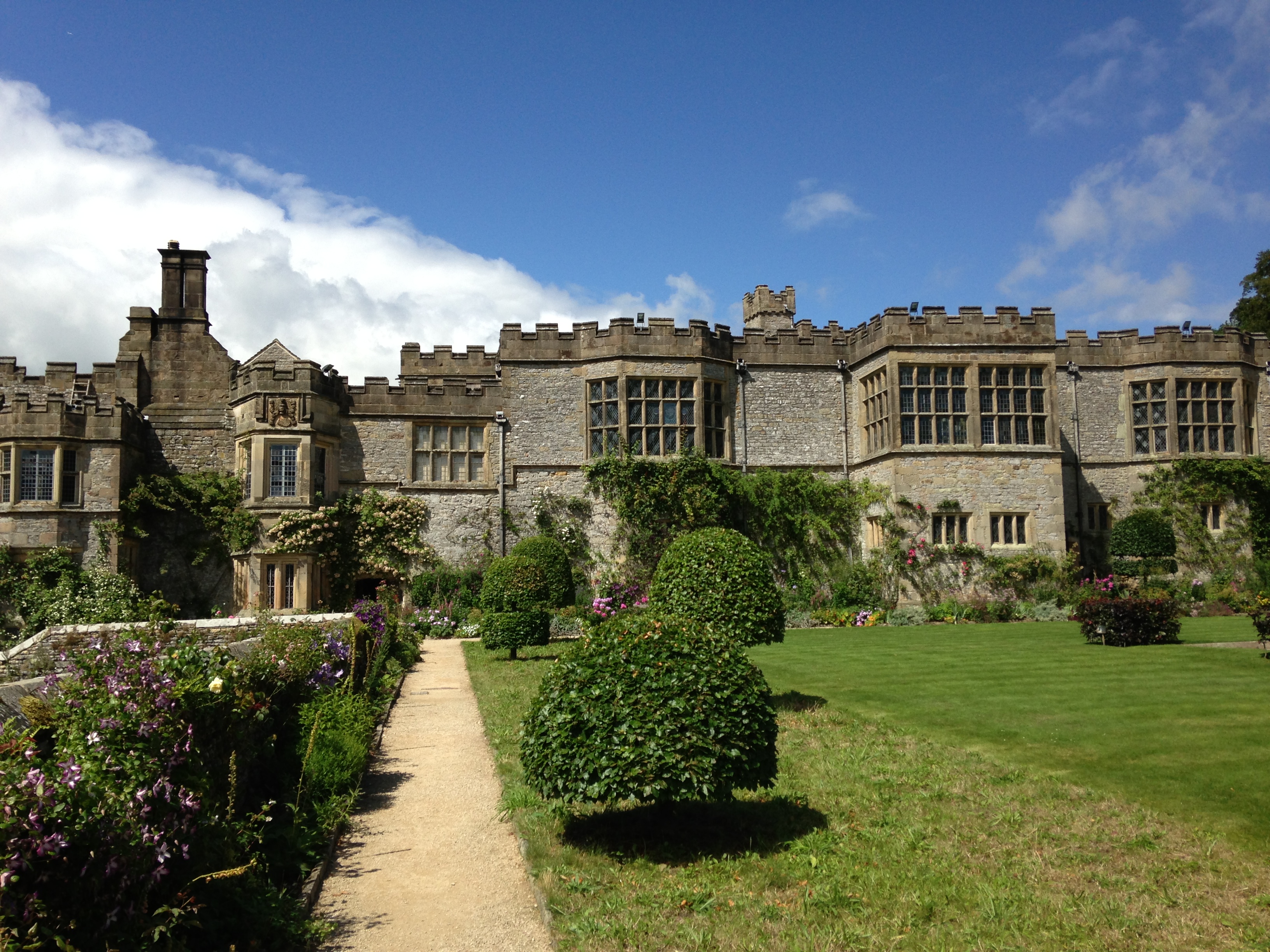
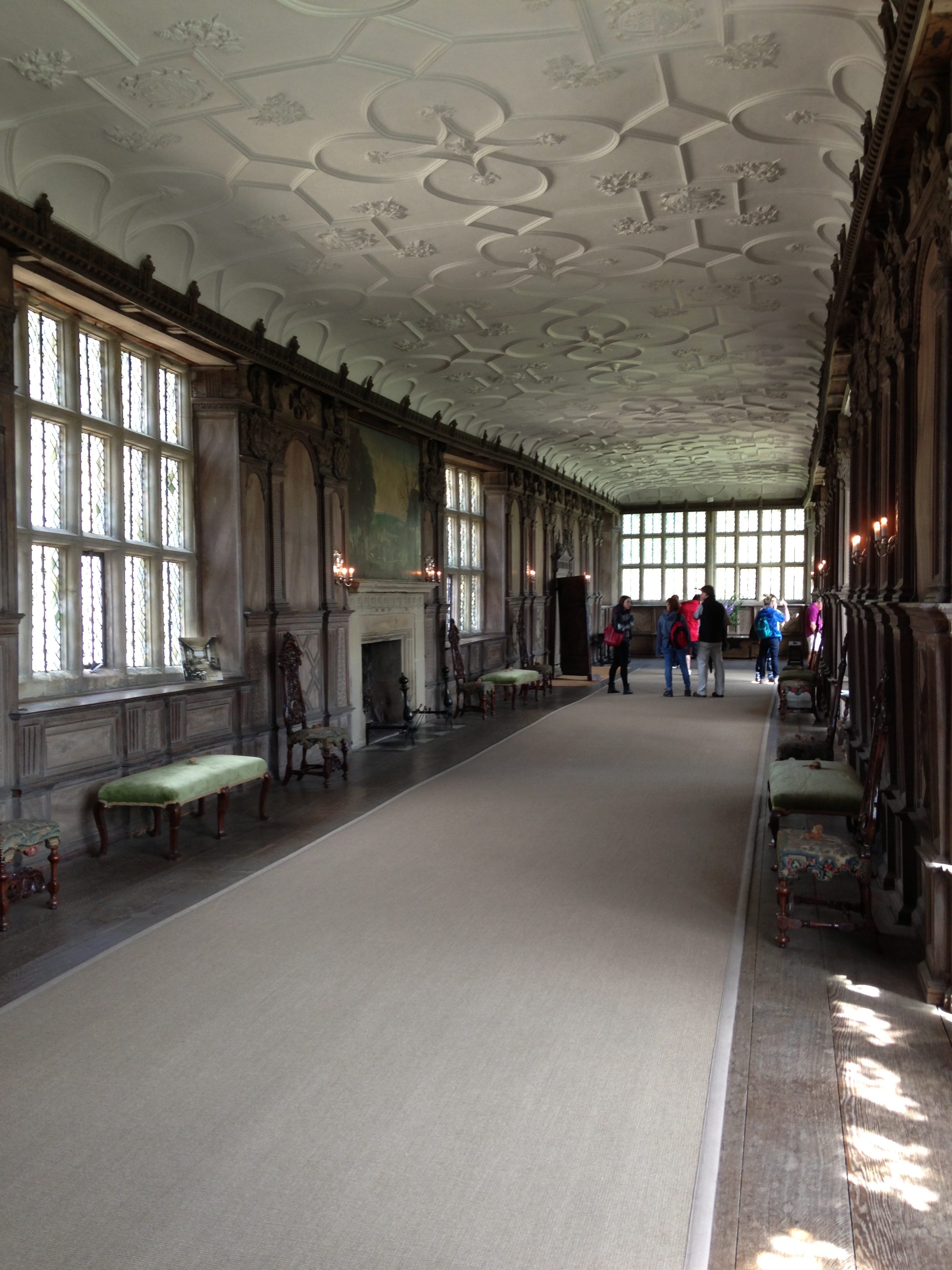
Haddon Hall
A fine example of Tudor and Elizabethan architecture, with a hall picking up the English manor house tradition and the gallery allowing for exercise during inclement weather.
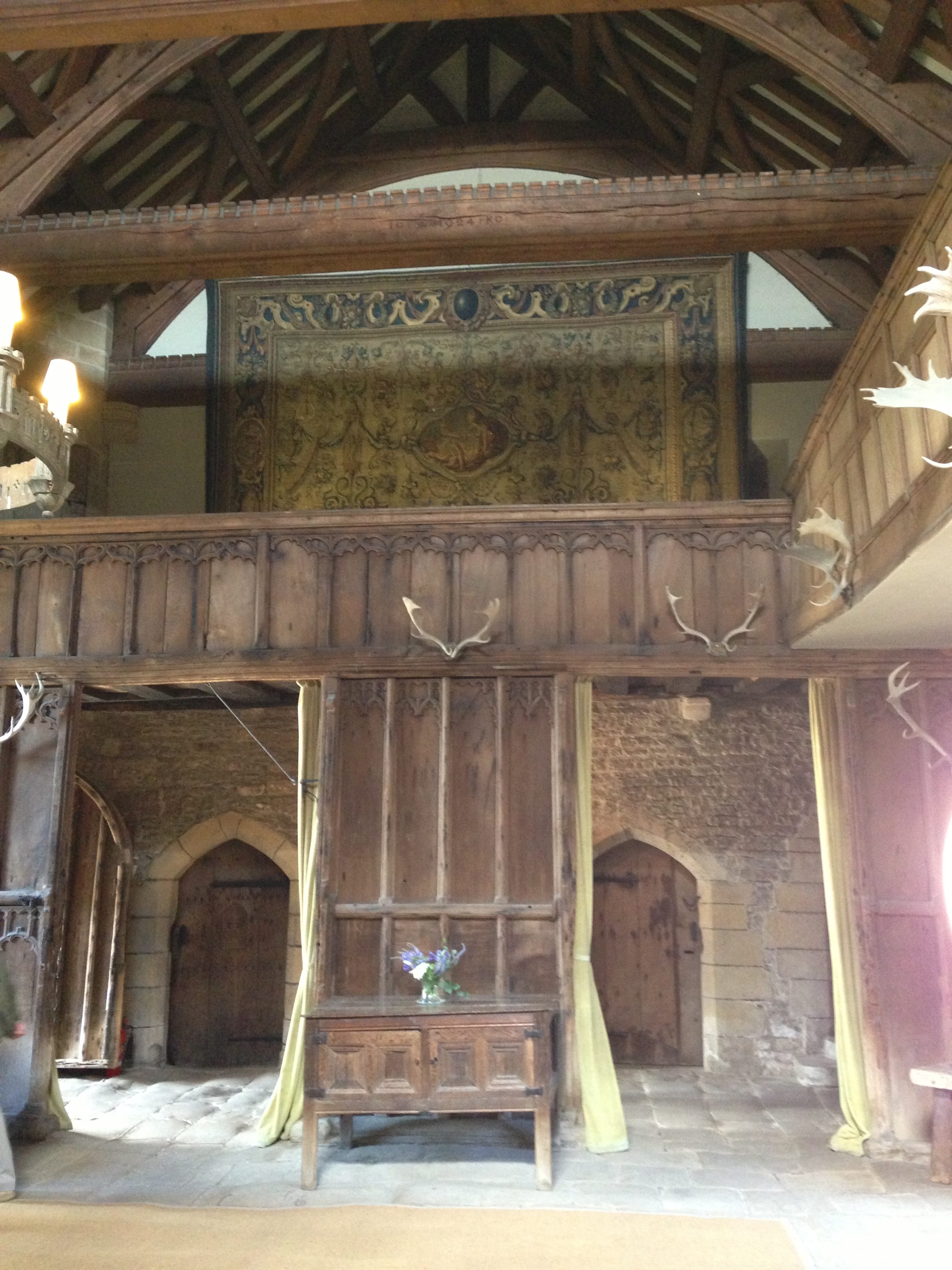
Chastleton House, Oxfordshire
This a a favourite of mine. It had the symmetry of a classical house but has the echo of the English castle with the battlements. The interior is a delight of simplicity.
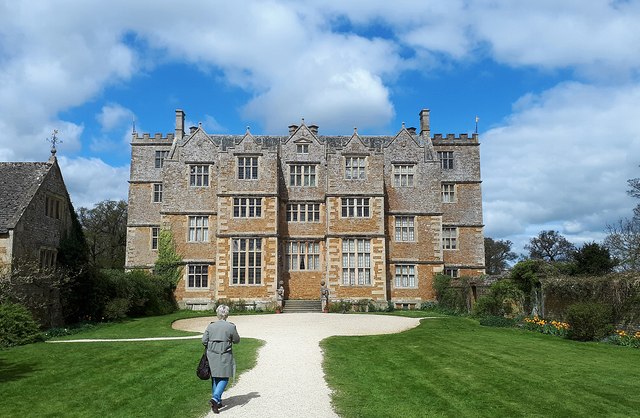
Longleat
Designed by master mason Robert Smythson from 1568 to 1580. Smythson also designed Wollaton, Hardwick and Burton Agnes.
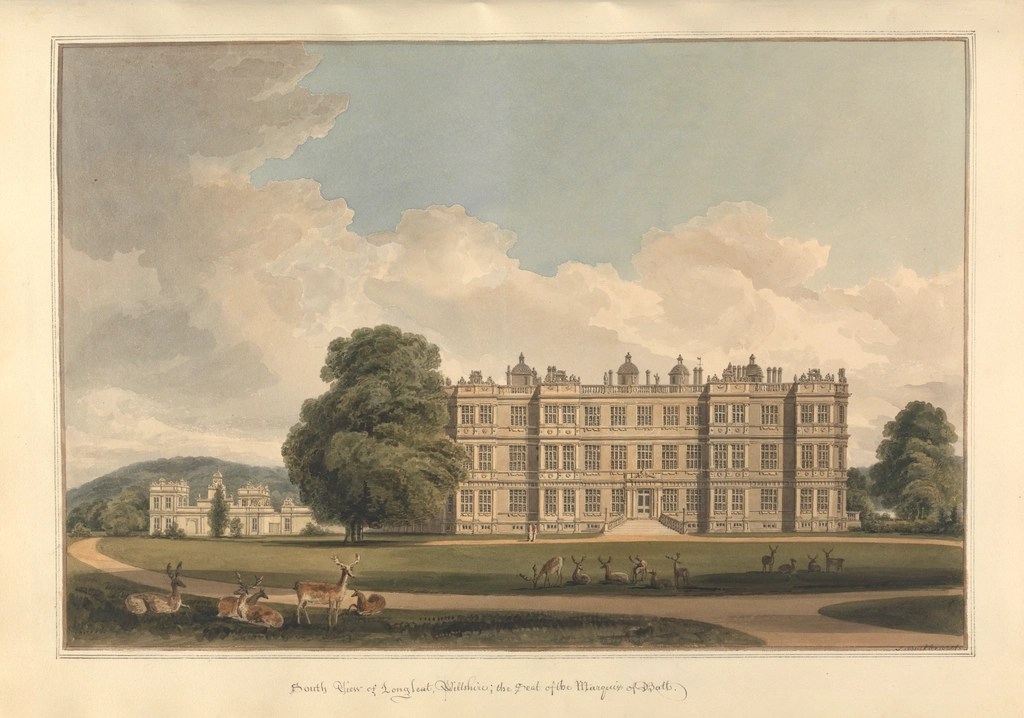
Chatsworth
Orginally built by Sir William Cavendish and Bess of Hardwick between 1549 and 1553. Rebuilt in the baroque period (1680s to 1700s)
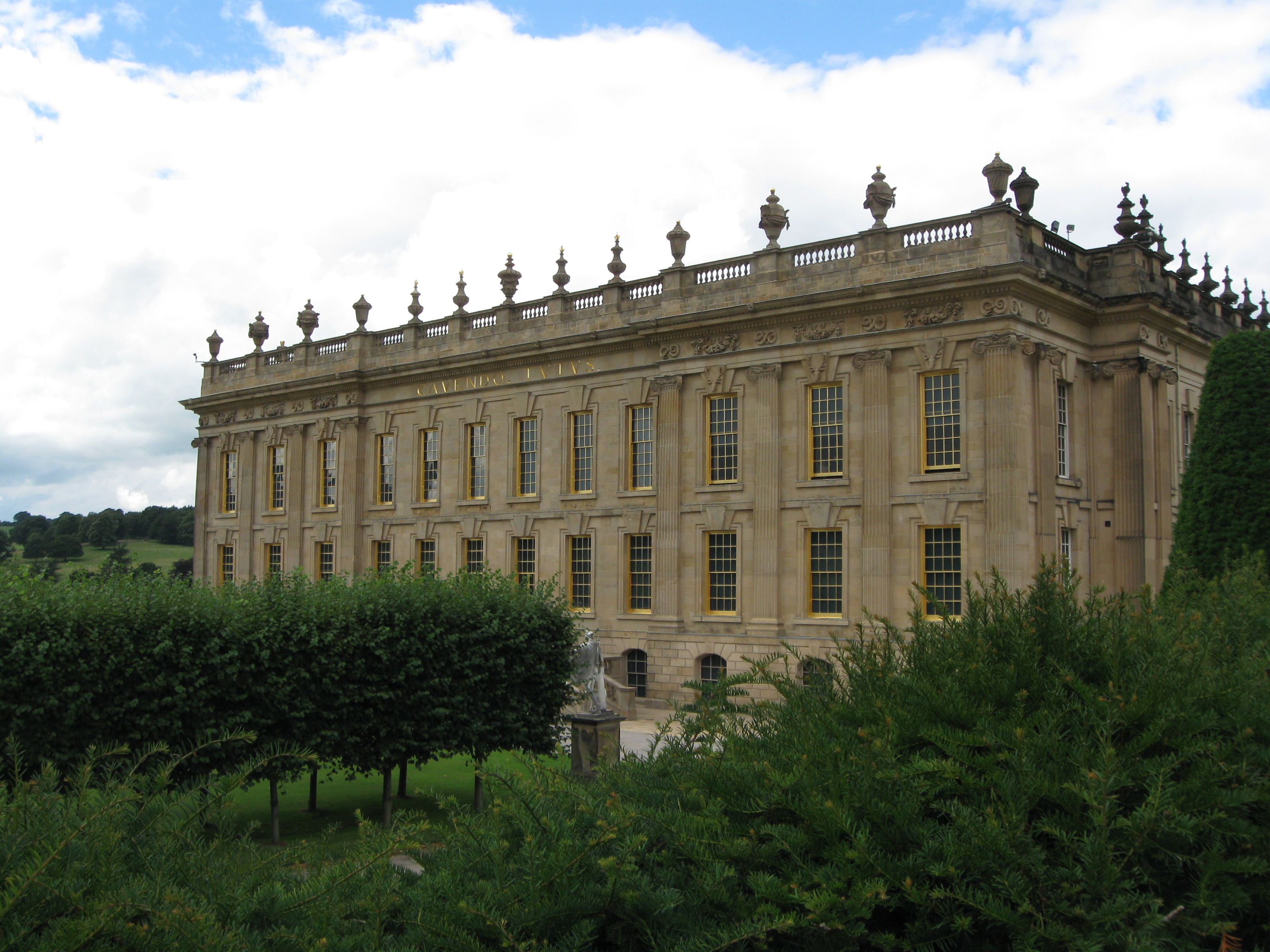
Hardwick Hall
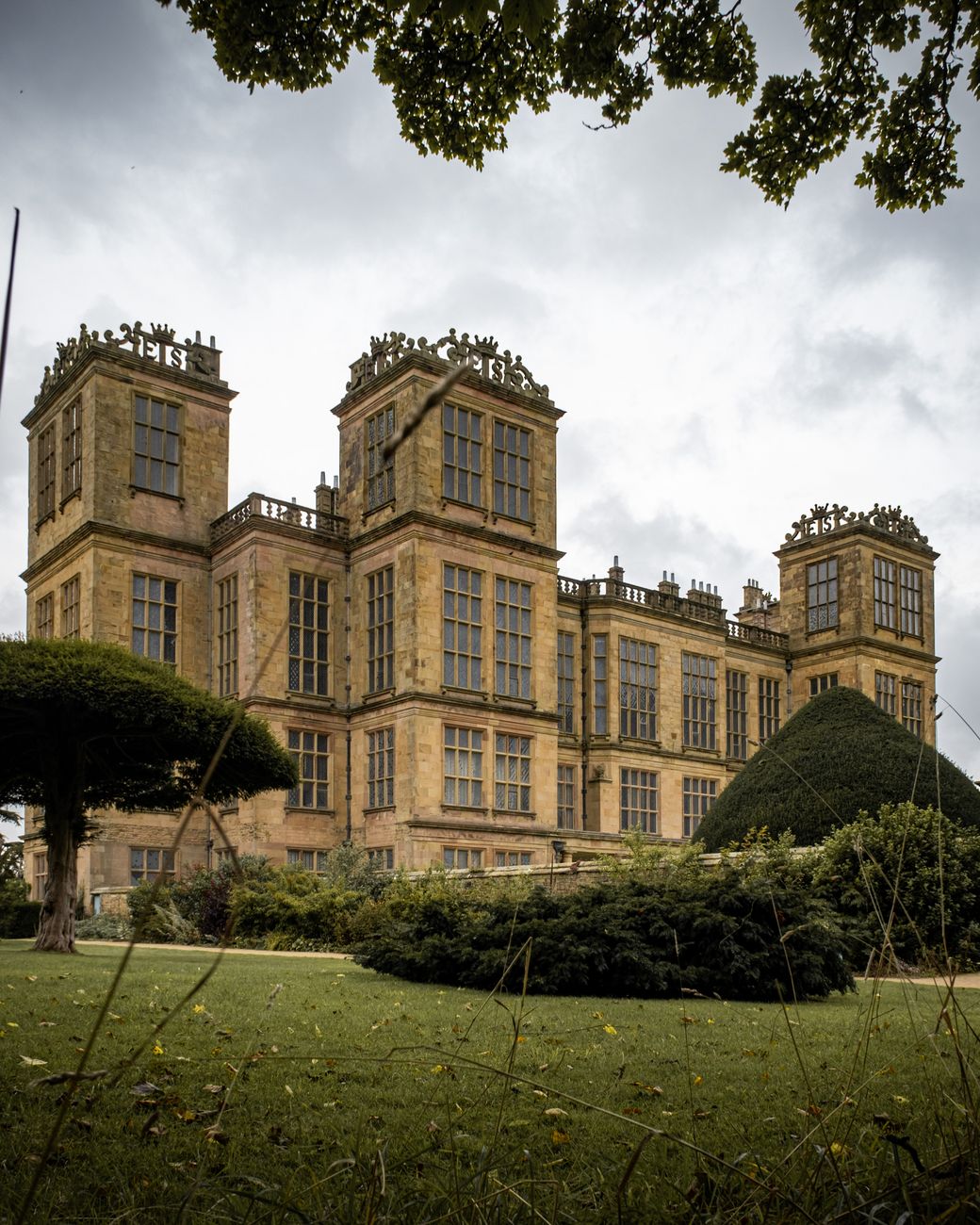
Lodge Park, Sherborne
In his wonderful book The English House, Clive Aslet homes in on a hunting lodge in Gloucestershire built in the early 17th century which drew on the classical tradition through its interpretation by Inigo Jones which does away with much of the elaborate decoration that has been evident so far in this piece. Lodge Park was probably designed by an associate of Inigo Jones and was surely in the Palladian tradition which can be traced to Jones’s Actors Church in Covent Garden and a great many subsequent buildings in the similar style. Palladio lived in Italy and built La Rotonda in Vicenza between 1566 and 1571. This building exemplifies Palladio’s belief that beauty lies in the use of commensurate proportion all based on the square and the cube. He committed his thoughts to writing in I Quattro Libri dell’Architettura in 1570 and is believed to be one of the most influential architects of all time.
Lodge Park was for country sports, but with a difference. Many participants were well versed in the writings of Virgil and his eulogies about the rustic world, later reimagined in the paintings of Claude Lorraine. This was the English in the Renaissance world.
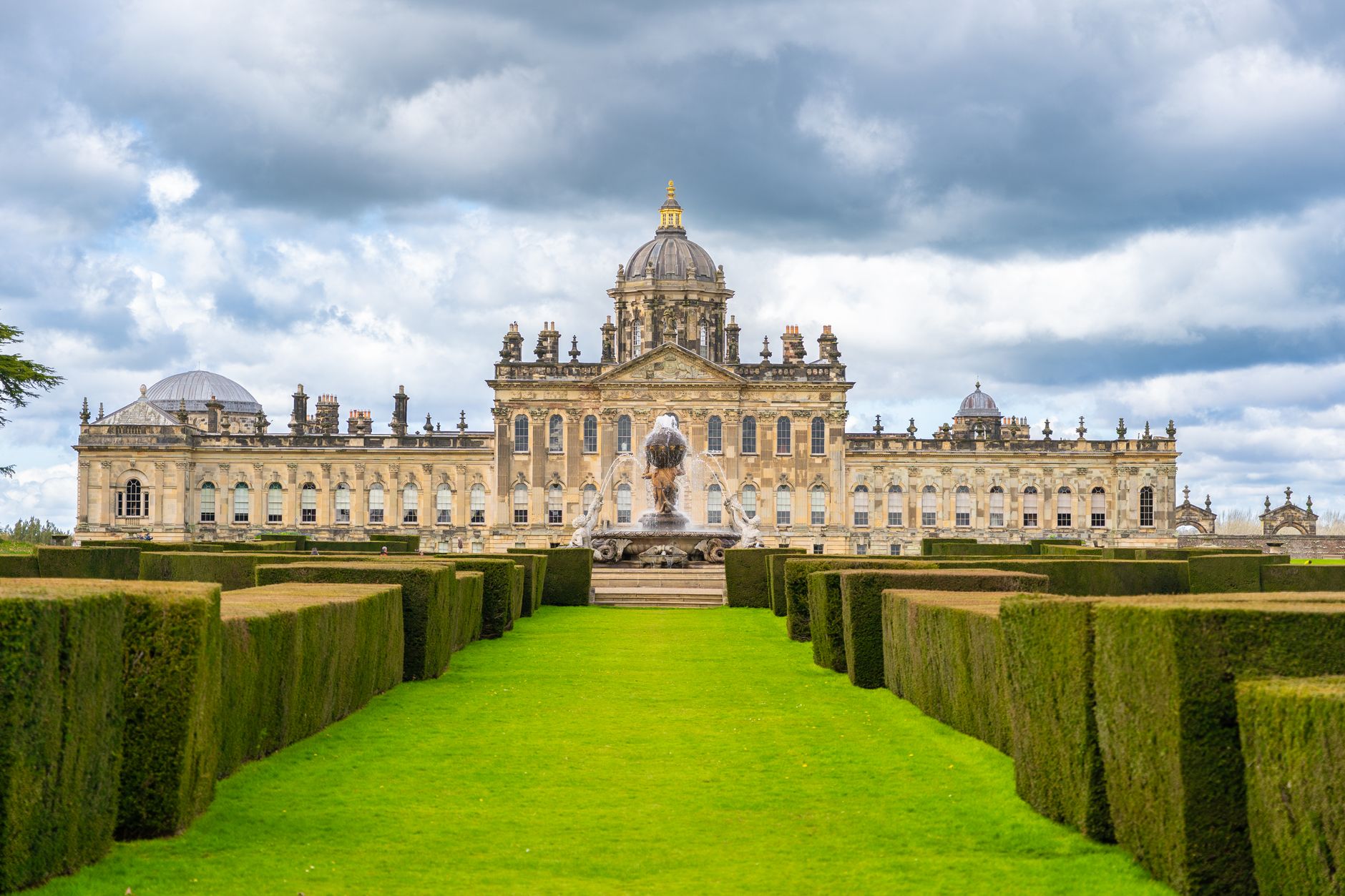
Castle Howard
Designed by Sir John Vanburgh working with William Etty
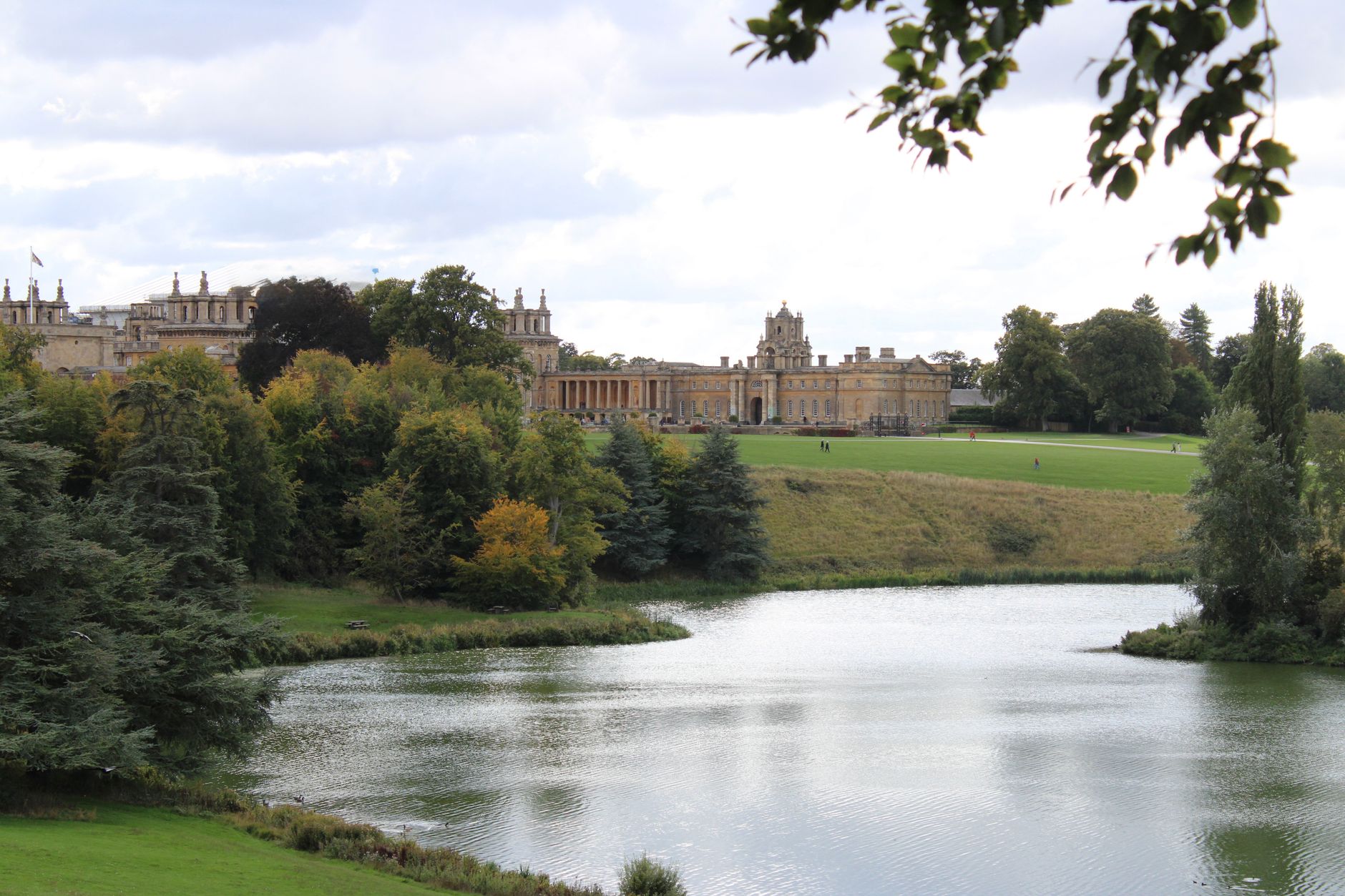
Blenheim Palace
Designed by Sir John Vanburgh and Nicholas Hawksmoor, built between 1705 and 1722. Henry Wise originally created formal gardens but these were replaced by the landscape of Capability Brown (1716-1783).
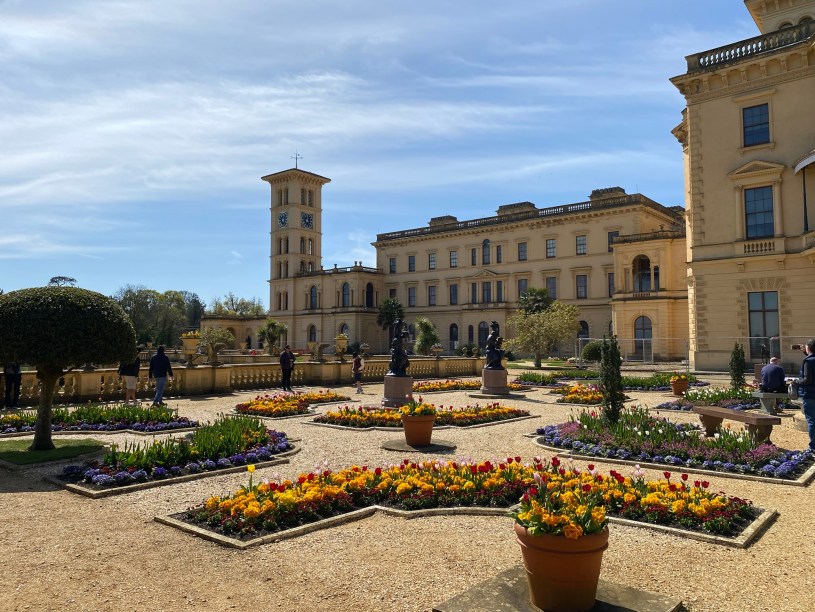
Nineteenth century entrepreneurs found expression of their new found wealth in the houses they lived in and here we see the influence of the building contractor. The aristocracy and indeed royalty also kept building.
Lucas Brothers
Whilst still based in Lowestoft, Lucas worked on Somerleyton Hall (the seat of Lord Brassey), Henham Hall, Sennowe Hall and Rendlesham Hall.
George Myers
Myers did work for the aristocracy. He took four hundred masons to France to build Ferrieres for the Rothschilds for whom he did further work throughout his later career. He built stables and carried out improvements to Cliveden for the future Duke of Westminster.
Thomas Cubitt
In 1845 Cubitt was commissioned by Prince Albert to build Osborne House on the Isle of Wight for Queen Victoria’s growing family.
Further reading:
Hoskins, W.G., The Making of the English Landscape (London: Folio Society, 2005)

