Glass makers in the area of Sussex surrounding Chiddingfofd took advantage of the wood available in the Weald, the sand under foot and the bracken growing each spring to borrow making skills from France and produced the glass needed for the great English cathedrals in the thirteenth and fourteenth centuries. They were not alone for there is evidence of glass making in Oxfordshire, Gloucestershire, Staffordshire and Essex.
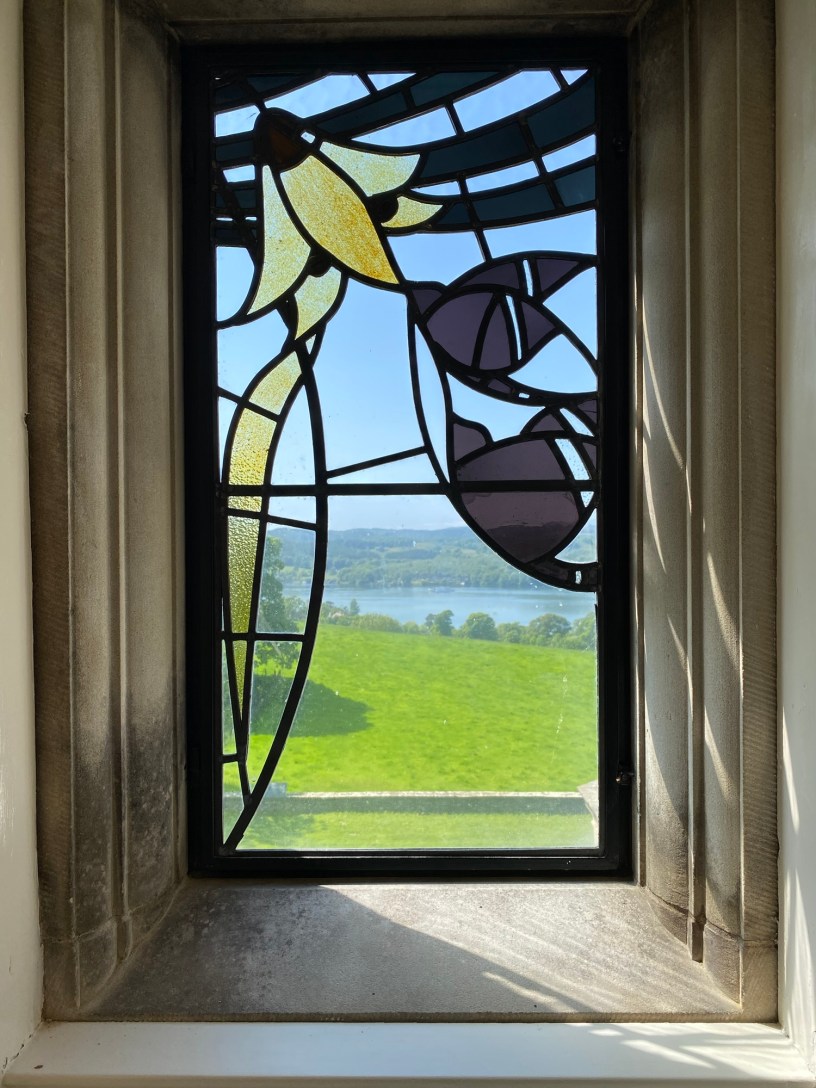
S.E. Winbolt in his book on Wealden Glass offers a helpful description of the making of window glass. Glass on a blow iron would be spun in a pit into a large disc which would then be cut into diamond shaped panes around a central circle ‘bull’s eye’ with the pontil mark in the centre. The diamond shaped panes would be held in place by leaded strips to created a window (as in the image). English glass makers also made muff glass whereby a cylinder of glass is blown and then cut and spread flat in the furnace to create a sheet.
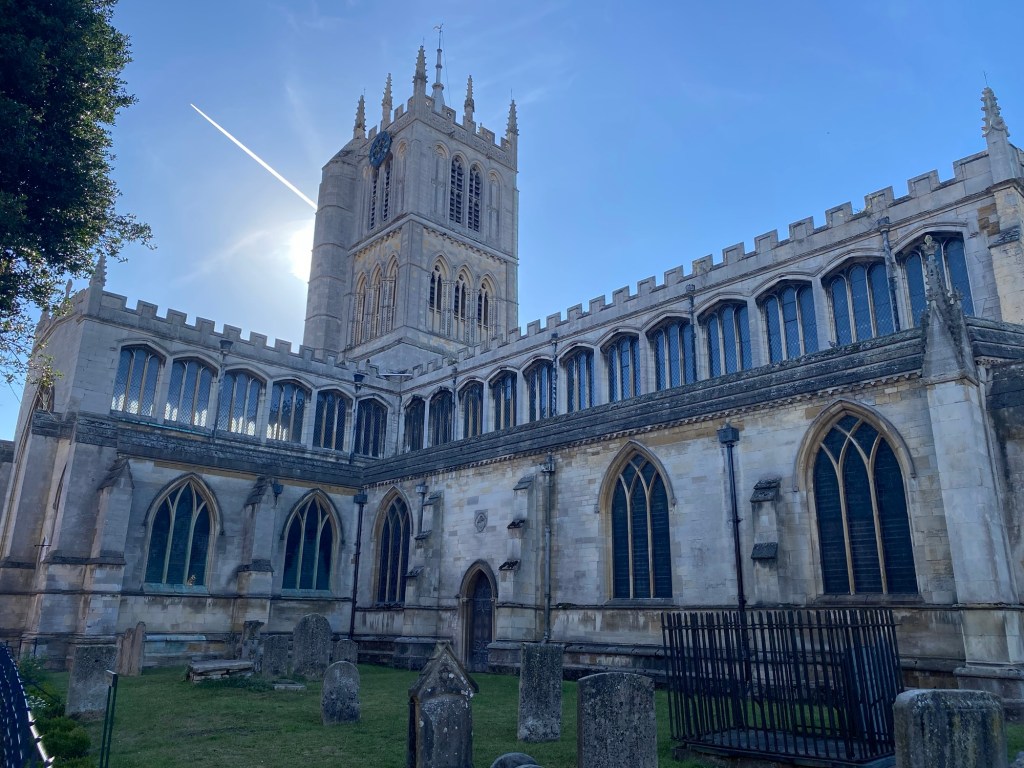
Glass was for the wealthy either in churches or the great houses. St Mary’s in Melton Mowbray has the largest clear storey of any English church allowing light to flood in through the clear glass.
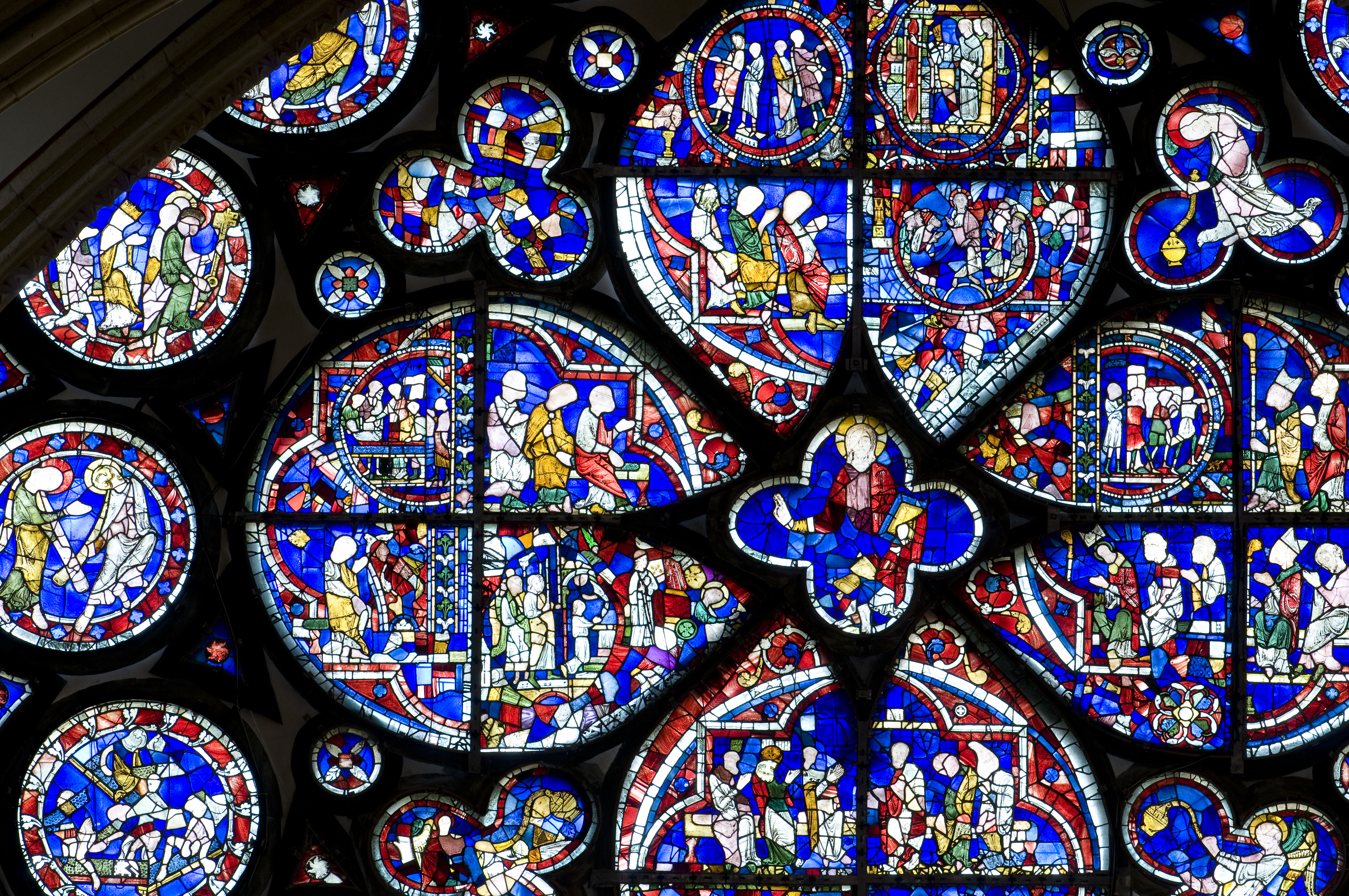
Churches with stained glass are darker but the story telling is wonderful.
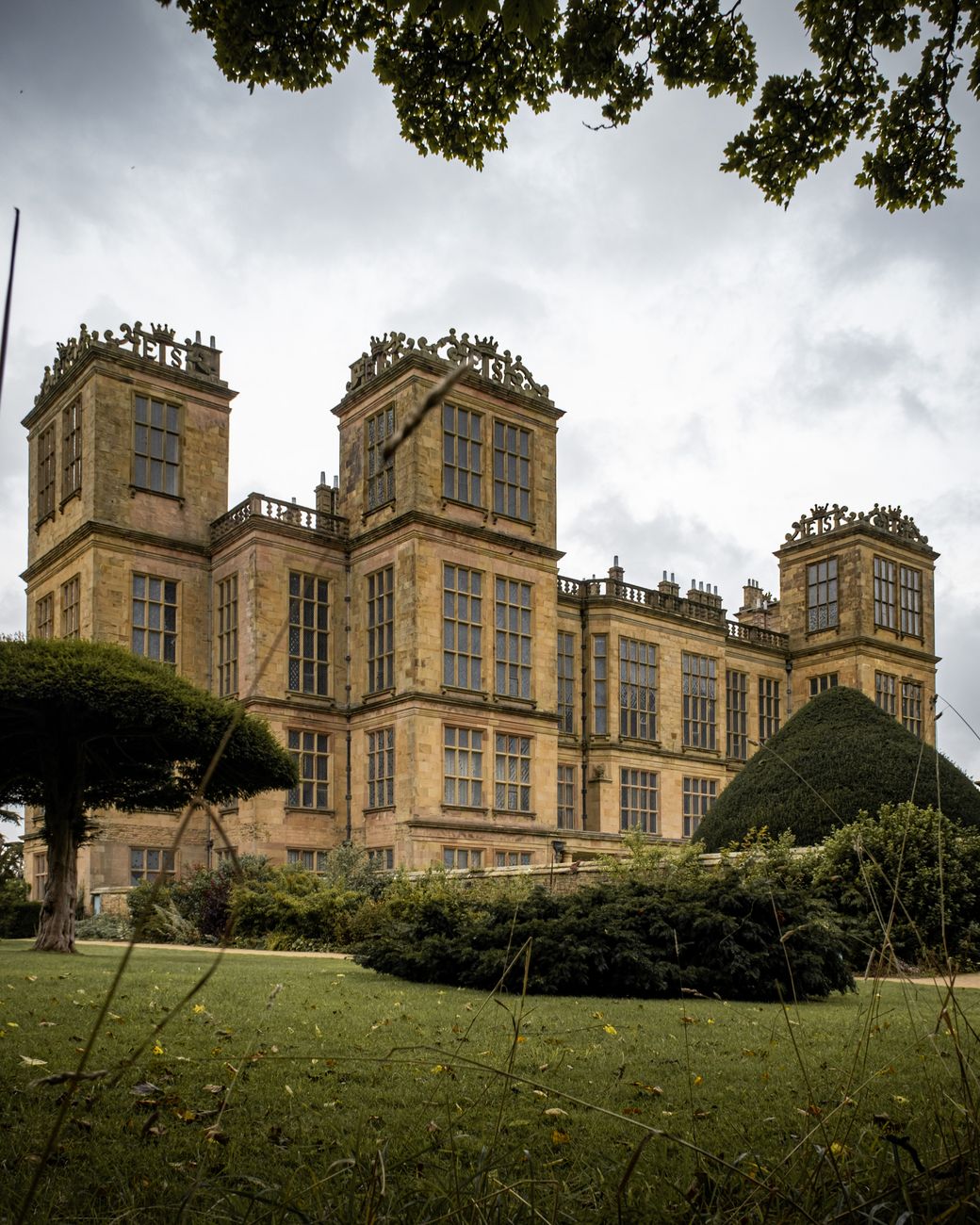
Owners of the great houses wanted their homes to be bright and light and glass was used in abundance
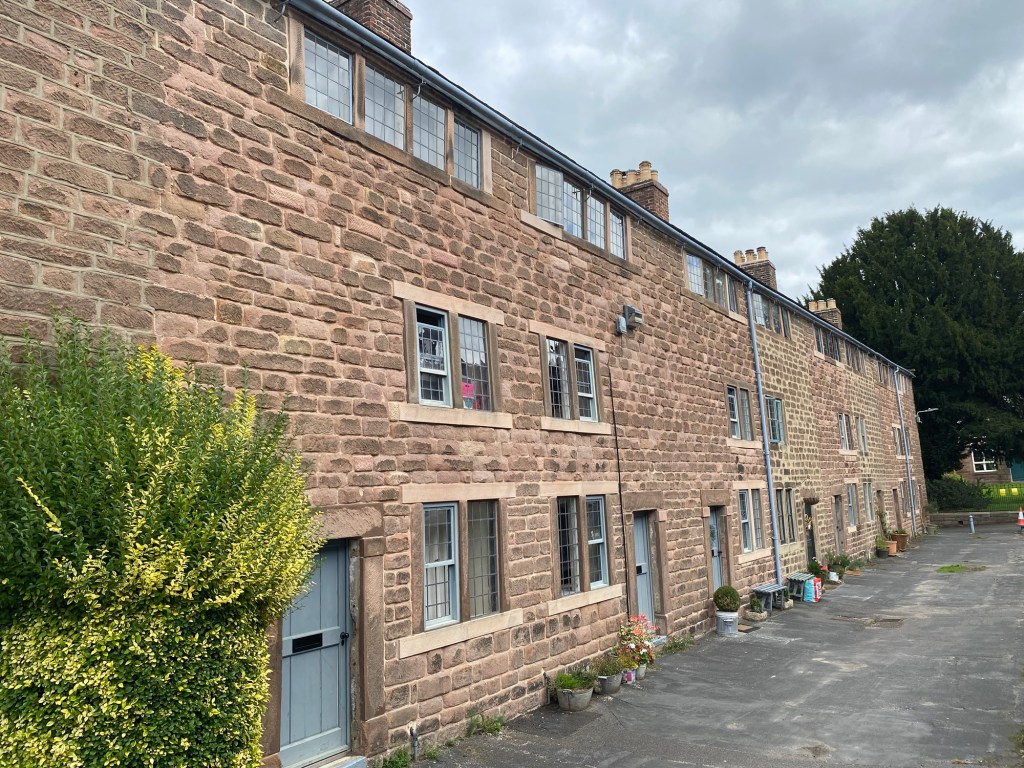
The top floor of Arkwight’s workers dwellings in Cromford had large windows to let in light for loom working.